

Is Professional Services A Good Career Path? Job Roles, Salaries, Advantages & Challenges
Yes, professional services is a good career path. It’s because it allows you to help people and businesses solve problems while earning a good income and learning new things.
What Are Professional Services Careers?
Professional services careers are jobs where individuals utilize their expertise to assist others. They can offer advice, solve problems, or manage essential tasks such as finances and projects. Examples include lawyers, accountants, consultants, and doctors. These careers focus on helping individuals achieve their goals and success.
What Is The Definition And Scope Of Professional Services?
Professional services are jobs that require specialized training or skills to assist businesses or the government. These jobs don’t involve making things, but rather focus on giving advice or solving problems, such as helping with laws, finances, computer programs, or business plans.
What Industries Make Up The Professional Services Sector?
The professional services industry spans numerous sectors, including:
- Consulting
- Law
- Accounting & finance
- Technology & IT services
- Architecture & engineering
- Healthcare (non-clinical roles like administration and IT)
Each industry offers unique responsibilities, client types, and growth paths.
What Skills Do You Need To Succeed?
Success in professional services typically requires a mix of:
- Technical skills (e.g., accounting, programming, legal knowledge).
- Soft skills like communication, collaboration, and emotional intelligence.
- Adaptability and lifelong learning, as client needs and technologies evolve.
What Are The Pros And Cons Of A Professional Services Career?
Professional services jobs can be great because you earn good money, learn new skills, and make a difference by helping people. Yet, they can also be tough, with extended hours, stress, and years of training before starting.
Pros Of Working In Professional Services
- Good Pay and Benefits: Most roles offer above-average compensation, particularly in fields such as consulting, law, and technology.
- Opportunities for Advancement: A clear career ladder exists—from entry-level to partner or leadership roles.
- Variety of Work: Professionals work on diverse projects, industries, and clients, keeping the work dynamic and engaging.
- Sense of Accomplishment: Helping clients solve complex problems can be a professionally fulfilling and motivating experience.
Cons Of Working In Professional Services
- Extended Hours: Client deliverables and deadlines often necessitate extended work hours, particularly in consulting and law.
- High-Pressure Environment: Results and performance are expected to be consistently high; mistakes can carry heavy consequences.
- Limited Job Security: Project-based or billable-hour models can lead to job security uncertainty in specific roles.
- Significant Training And Certification Needs: Many positions require ongoing education, licenses (e.g., CPA, JD), and skill refreshment.
What Are The Top Professional Services Fields?
Top professional services fields include law, accounting, consulting, IT, healthcare, and engineering—jobs that help people and businesses.
- Consulting Services: Solve business problems across operations, HR, IT, and strategy. Offers dynamic projects, travel, and rapid career growth.
- Legal Services: From corporate law to civil litigation, attorneys help clients navigate complex legal systems. Requires law school and bar certification.
- Accounting And Financial Services: Includes roles in auditing, tax preparation, investment analysis, and financial planning. Certifications like CPA or CFA are often required.
- Technology And It Services: Covers software engineering, data analysis, cybersecurity, and tech consulting. Ideal for those who enjoy solving digital problems.
- Healthcare And Medical Services (Non-Clinical): Involves administrative, IT, or consulting roles within healthcare systems, often requiring health informatics knowledge.
- Engineering And Architectural Services: Design and manage construction, infrastructure, and systems projects. Strong technical and regulatory knowledge is essential.
What Are The Advantages Of This Career Path?
A professional services career is exciting because you get to work on many different projects, build skills that are useful for life, and earn good money. Best of all, you make a real difference by helping other people succeed.
How Does This Career Offer Variety And Diverse Client Exposure?
In professional services careers, work is never dull because you do different projects instead of the same thing every day. You meet and help many kinds of people and businesses from other places, which enables you to learn and grow.
How Does Team Collaboration Enhance Career Growth?
In professional services, you often work in teams with people who have different skills. This helps you learn new things, share ideas, and get guidance from others. Working together also builds leadership skills and enables you to grow in your career.
What Transferable Skills Will You Gain?
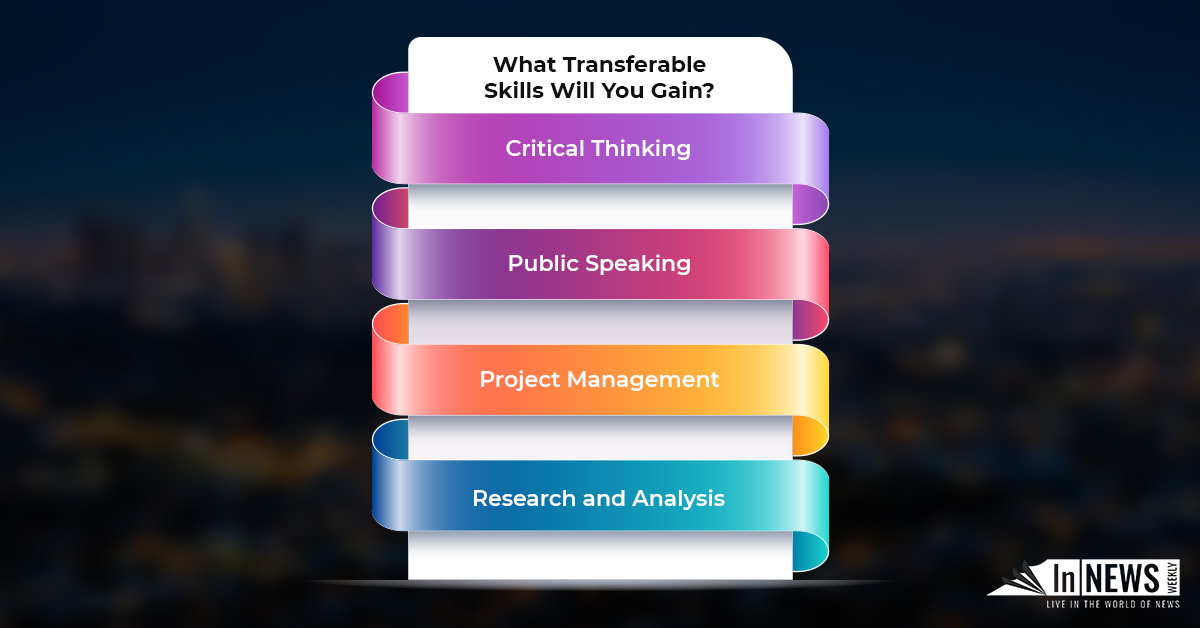
In a professional services career, you build essential skills you can use in many other jobs later, such as:
- Critical Thinking – solving challenging problems.
- Public Speaking – talking clearly and confidently.
- Project Management – organizing tasks and people.
- Research and Analysis – finding and understanding information.
What Challenges Should You Expect?
In professional services careers, you may face challenges such as working long hours, which can be tiring. The job can be stressful because of deadlines and responsibilities. You also need to keep learning new things to stay skilled and successful.
How Is Work-Life Balance In Professional Services?
In professional services, balancing work and personal life can be challenging due to deadlines, client demands, and travel requirements. Yet, many companies now help by offering remote work, flexible schedules, and support for mental health, making life easier.
What Responsibility Levels Come With These Roles?
In professional services jobs, you have significant responsibilities because clients count on you. The quality of your work can significantly impact the client’s satisfaction and the company’s success, so doing your best is crucial.
Will You Need To Travel Or Work Long Hours?
In some professional services jobs, primarily consulting, you may need to travel and work long hours. Yet, today, many companies also offer remote or hybrid work arrangements, giving people more flexibility to work from home and better balance their time.
What Are The Education And Training Requirements?
Most professional services jobs require a college degree to show that you have strong knowledge. Some careers, like law or accounting, also need extra training or passing special tests to get a license before you can officially start working with clients.
What Degrees Are Required?
Most professional services jobs need at least a bachelor’s degree from college. Some careers, such as becoming a lawyer or doctor, require even more schooling, often accompanied by advanced degrees, including a J.D. for law or an M.D. for medicine.
Are Professional Certifications Necessary?
Yes, many professional services careers require certifications to demonstrate your qualifications. For example, accountants require a CPA license, lawyers must pass the Bar, project managers can earn a PMP, and cybersecurity experts often need a CISSP.
Is Ongoing Education Required?
Yes, in professional services,, you must continue learning even after securing a job. Technology and rules change frequently, so you need ongoing education and training to stay current, enhance your skills, and continue performing your work successfully.
How Can You Build A Successful Career In Professional Services?
Keep learning new skills, work well with teammates, and make good connections with people who can guide you to build a successful career in professional services. Staying dedicated, helping others, and continually improving will help you grow and succeed.
How Important Is Networking?
Networking is vital because it helps you meet people who can guide you, teach you new things, and connect you to job opportunities. Utilizing tools like LinkedIn or attending events can also help you establish strong relationships.
Why Should You Specialize In An Industry Or Niche?
Specializing in a specific area makes you an expert, which helps you stand out and secure better job opportunities. For example, you could focus on healthcare technology, financial law, or data privacy. Being highly skilled in one niche makes you very valuable.
What Is The Role Of Soft Skills?
Technical skills help you start the job, but soft skills make you shine. Skills such as listening carefully, speaking clearly, solving problems, and collaborating effectively with others help you grow, lead teams, and succeed in professional services careers.
What Career Paths And Opportunities Are Available?
You can start as a helper or assistant and grow into a leader, manager, or even start your own business.
| Job Title | No of Jobs | Projected Growth |
|---|---|---|
| Management Analyst | 752,300 | 11% |
| Financial Analyst | 737,170 | 10% |
| Computer & Info Systems Manager | 422,780 | 11% |
| Accountant and Auditor | 1,371,850 | 8% |
| HR Specialist | 631,370 | 9% |
| Marketing Specialist | 588,790 | 9% |
| Business Operations Manager | 580,820 | 8% |
| Sales Manager | 649,860 | 9% |
| Advertising & Promotions Manager | 406,460 | 8% |
| Training & Development Specialist | 128,010 | 11% |
Source: U.S. Bureau of Labor Statistics
What Are The Entry-Level Jobs In Professional Services?
They are as follows:
- Junior Consultant – Learns from senior experts and helps with projects.
- Research Assistant – Collects and studies information.
- Analyst – Looks at numbers to find answers.
- Associate Accountant – Helps manage money and records.
- Business Development Associate – Finds new customers and opportunities.
Can You Advance Or Start Your Own Firm?
Yes! When you work hard and learn new skills, you can get promoted to bigger jobs. With enough experience, you can even start your own business or firm and become your own boss.
What Are Your Career Progression Options?
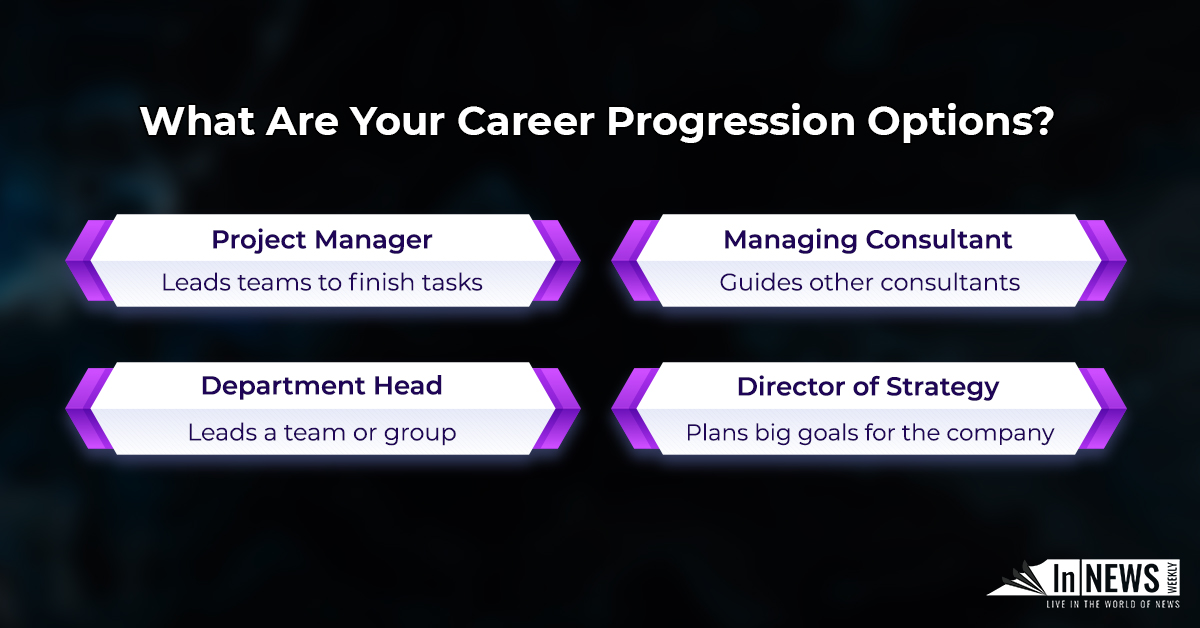
With experience, you can grow into:
- Project Manager – Leads teams to finish tasks.
- Department Head – Leads a team or group.
- Managing Consultant – Guides other consultants.
- Director of Strategy – Plans big goals for the company.
Can You Start Your Own Consulting Business?
Yes! After gaining experience and learning, many people open their own consulting businesses. They can offer advice in areas such as computer science (IT), law, or assisting other companies with expansion. It’s a way to be independent and help others succeed.
What Does The Future Look Like For Professional Services Careers?
The future looks bright and promising: jobs in professional services are expected to increase and evolve with the advent of new technologies like AI and remote work, making it a field with numerous opportunities on the horizon.
Is Demand Growing In This Field?
Yes! Businesses today face challenging problems and utilize a wide range of technology. Due to this, they need competent experts to guide them. The demand for professional services is growing, providing more opportunities for individuals to build strong and successful careers.
How Is Technology Changing The Industry?
Technology is changing jobs fast! Tools like AI, robots, and data programs help people work more quickly and efficiently. They also create new types of jobs where experts utilize technology to solve problems and streamline business operations.
How Are Remote And Hybrid Work Models Shaping The Industry?
Remote and hybrid work let people do jobs from home or part-time in the office. This change grew after COVID-19. Now, many companies use it, helping workers balance family, school, and life while still doing their essential work.
Frequently Asked Questions
1. What Exactly Are Professional Services Careers
They are careers that involve offering specialized services to businesses or governments, such as consulting, IT, law, finance, or healthcare admin.
2. What Are The Key Benefits Of This Career Path
High pay, variety of work, skill development, networking opportunities, and defined growth paths.
3. What Fields Are Considered Part Of Professional Services
Consulting, legal, accounting, financial, IT, healthcare admin, architecture, and engineering.
4. What Education Is Typically Required
Most roles need at least a bachelor’s degree, with some requiring certifications or advanced degrees (e.g., CPA, JD, MBA).
5. How Do You Succeed In Professional Services
Focus on continuous learning, specialize in a niche, master communication, and build strong networks.
Final Verdict: Is Professional Services A Good Career Path?
Yes. Professional services can be a great career path if you enjoy solving problems, helping others, and learning new things. You get to do different kinds of work, earn good money, and build skills that can help you in many jobs.
Yet, it’s not always easy. You may need to work long hours, tackle challenging tasks, and continually learn to excel in your job. When you’re ready for the challenge, this career can give you lots of chances to grow and succeed.
