
Is Broadcasting A Good Career Path?
Is Broadcasting A Good Career Path? is a question on the minds of many in this era of media expansion. The world of broadcasting is more than just TV and radio; it’s a realm buzzing with possibilities, including streaming and podcasts.
This article is set to explore the vibrant world of broadcasting. We aim to uncover why this field is captivating an increasing number of people. Are you curious about the potential of a career in broadcasting?
Join us as we delve into what makes broadcasting an appealing and viable career. Let’s embark on this exciting exploration together!
Job Overview
Defining Roles In Broadcasting

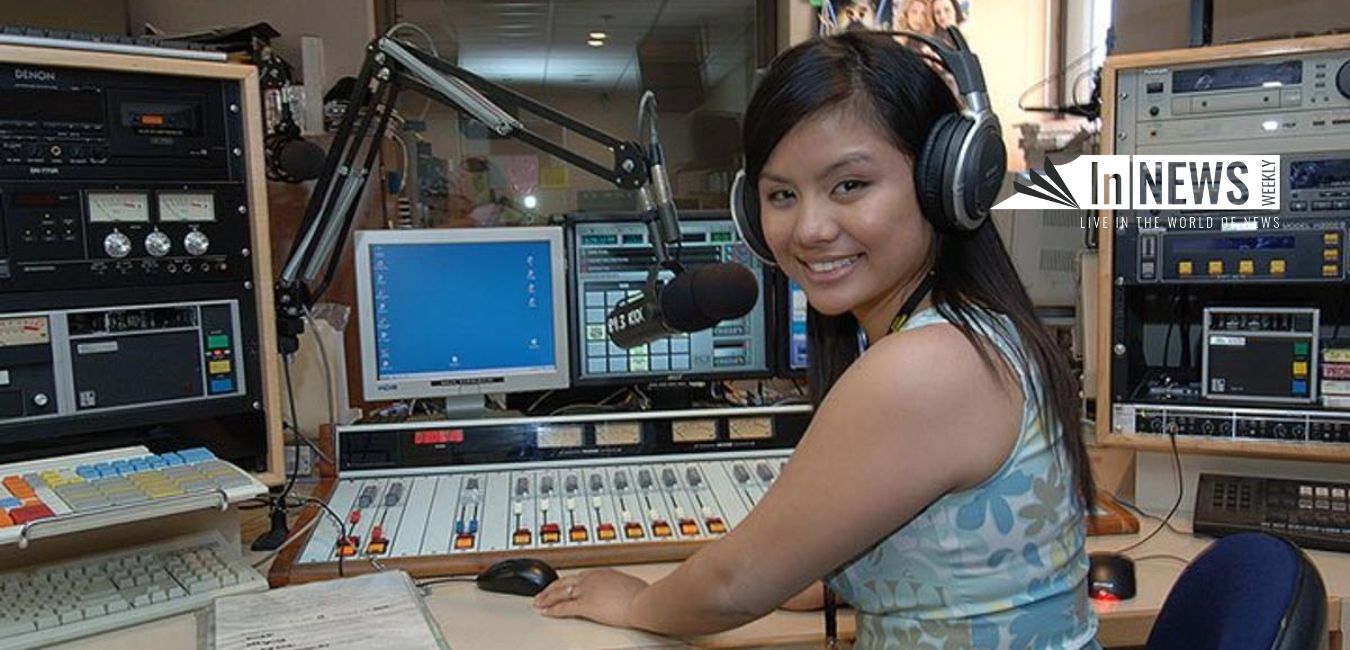
In broadcasting, you can be a radio host, grabbing listeners with your voice, a TV anchor sharing news clearly, or a podcast creator telling great stories.
Each role is important, bringing different and exciting ways to share stories and information with people everywhere.
The Evolving Landscape Of The Broadcasting Industry
Broadcasting is changing a lot. It mixes old ways like TV and radio with new stuff like online videos and podcasts. This change makes broadcasting fun and different, giving us new ways to learn about the world and enjoy stories.
Varied Opportunities Within The Field
There are many jobs in broadcasting. You can work with technology, be in front of the camera, or make cool content. These jobs let you learn, grow, and do important work in this fun and always-changing industry.
Education And Skills
Educational Requirements And Recommended Degrees
To start a career in broadcasting, you usually need a journalism, communications, or media studies degree. These degrees teach you about media and how to communicate well. Some people also study film or technology.
Learning these subjects helps you understand how to share stories and information interestingly.
Essential Skills For Success In Broadcasting
Successful broadcasters need good communication and technical skills. The key is to speak clearly and write well. You also need to understand technology, like cameras and editing software. Creativity is important for making interesting content, too.
Good teamwork and being able to solve problems quickly also help a lot.
The Role Of Internships And Practical Experience
Internships and hands-on experience are crucial in broadcasting. They let you learn by doing real work, like making programs or helping in a studio. This experience teaches you a lot and helps you make contacts in the industry.
It also gives you a chance to see if you like broadcasting.
Job Prospects And Market Demand
Current Demand For Broadcasting Professionals

Broadcasting is changing rapidly, so there’s a great need for skilled people. More people are watching streams online, and digital media is growing.
This means there’s a lot of demand for great content on different platforms, making it a great time to join broadcasting.
Trends Influencing Job Prospects
Mixing Media: TV and online content are merging, which means more jobs for people who can work with both.
Social Media Growth: Social media is now significant in broadcasting. This means jobs for people who can make excellent posts and handle accounts.
Data Matters: Knowing how to use data to decide what shows to make or how to market them is essential.
Areas Of Specialization With High Demand
Broadcasting needs people who are good at making digital stuff, like videos or websites. Also, managing social media, understanding data, reporting news, and working with broadcasting tech is big. You have many chances to do well when you’re good at these.
Salary And Compensation
Overview Of Typical Entry-Level Salaries
In the United States, if you’re just starting out in broadcasting, you earn about $35,000 a year on average. This can change based on your job, location, and experience.
For example, new news reporters make about $40,000, while someone starting in social media management earns around $32,000.
Factors Influencing Salary In The Broadcasting Industry
How much you make in broadcasting can depend on 5 things:
- Experience: More experienced broadcasters usually earn more.
- Location: In big cities or places where it costs much to live, salaries tend to be higher.
- Job Title: What job you have matters too. For example, experienced news anchors often make more than those just starting in technical jobs.
- Education: A degree in journalism, communication, or something related can lead to better pay.
- Specialization: When you’re good at something specific, like making digital media or understanding data, you earn more than someone with general skills.
Potential For Salary Growth With Experience And Specialization
As you get more experience in broadcasting, your salary can grow, especially if you become an expert in a part of the field. Moving up to higher jobs usually means better pay.
Also, learning more skills or getting special training can help you earn more.
Risks And Challenges
Job Instability In The Industry
Broadcasting is unpredictable. Changes in what audiences like, new technologies, and ups and downs in the economy can affect the demand for broadcasting jobs. This means people in broadcasting lose their jobs or need help finding work.
Impact Of Technological Advancements On Traditional Roles
New technology is changing broadcasting a lot. Online streaming makes some jobs that used to be common, like traditional TV news anchors, less needed.
Also, machines are doing some of the work that broadcast technicians used to do, which can mean fewer jobs for people.
Coping With The Competitive Nature Of The Field
Broadcasting is highly competitive, with many talented people vying for limited job openings. This competition can make getting into the industry or finding stable work tough. However, there are 5 strategies to overcome these challenges:
- Stay Current with Industry Trends: Learn about new technologies, audience trends, and market changes.
- Develop Specialized Skills: To increase marketability, focus on digital media production, data analysis, and social media management.
- Build a Strong Network: Connect with professionals in the industry for insights, opportunities, and support.
- Show Versatility: Be ready to take on various tasks and roles to showcase your adaptability.
- Be Resilient and Persistent: Stay determined and keep striving, as resilience is crucial for long-term success in the broadcasting industry.
Benefits Of A Broadcasting Career
Creative Fulfillment And Expression

Broadcasting is a great field for being creative. You can share stories, make shows, and influence people with your work. It’s a place where your ideas can come to life, whether you’re behind the camera or in front of it. This creativity brings a lot of joy and satisfaction.
Opportunities For Career Advancement
In broadcasting, you can move up in your career. Start with one job and learn lots. Then, you try new roles with more responsibility. As you get better and learn more, you could even become a leader in your field. This means there are always new challenges and chances to grow.
The Potential For Building A Diverse Skill Set
When you work in broadcasting, you learn many skills. You start with writing or editing but then learn about technology or how to speak well. This field lets you try different things and become good at many things. These skills are useful in broadcasting and other areas, too.
Work-Life Balance
Varied Work Schedules In Broadcasting
In broadcasting, work schedules differ from one job to another. Some people work early in the morning or late at night. Others could have to work on weekends or holidays.
This means you only sometimes work a regular 9-5 schedule, which is exciting but challenging.
Balancing The Demands Of A Broadcasting Career With Personal Life
Working in broadcasting is busy, and sometimes it takes effort to make time for family or hobbies. Planning and setting boundaries are important, so you have time for work and fun. Finding a balance is key to being happy and doing well in your job.
Strategies For Maintaining A Healthy Work-Life Balance
Balancing work and personal life helps you organize your time well. Make sure to take breaks and relax. Talking with family or friends about your work schedule can also help.
And remember, it’s okay to say no to extra work sometimes to ensure you have time for yourself and your loved ones.
Job Satisfaction And Fulfillment
Factors Contributing To Job Satisfaction In Broadcasting

Broadcasting is a job that many people love. It lets them be creative, tell stories, and talk to many people. Every day is different, with new things to learn and problems to solve.
This keeps the job exciting and makes it more than a regular job.
Personal Stories And Testimonials From Professionals
People in broadcasting share exciting stories about their work. They talk about big news stories they’ve covered or great shows they’ve made.
These stories show how fun and rewarding working in broadcasting can be, like when they see how their work makes people happy or helps them learn something new.
The Unique Rewards Of A Career In Broadcasting
Working in broadcasting can lead to some cool experiences. You may meet famous people, attend important events, or become well-known in your community.
The best part is feeling like you’re part of something big, sharing information and stories that can entertain people or even change the world.
Industry Trends And Adaptability
Staying Updated On Industry Trends
In broadcasting, things change fast. It’s essential to know about new technology and what audiences like. Watching the trends helps you stay good at your job and keep it interesting.
This means always looking out for what’s new on TV, radio, online, and social media.
Importance Of Adaptability In This Industry
Being able to change and try new things is key in broadcasting. The industry always has new tools and ways to share stories. When you adapt, you can work with these changes instead of being left behind. This helps you stay useful and keep finding exciting opportunities.
Continuous Learning And Professional Development
To succeed in broadcasting, you must keep learning. This could mean attending workshops, taking courses, or trying new things independently.
Staying up-to-date with your skills and knowledge means you can keep up with the industry and keep your job fun and rewarding.
FAQs
1. What Education Is Required For A Career In Broadcasting?

To start a career in broadcasting, you usually need a journalism, communications, or media studies degree. These degrees teach you about media and how to share stories and news interestingly.
2. What Are The Typical Salary Ranges For Entry-Level Positions In Broadcasting?
Starting jobs in broadcasting pay between $25,000 and $50,000 a year. Your earnings can depend on the job you do, where you work, and your experience. Some examples include jobs like a news reporter, social media manager, and radio announcer.
Conclusion
In conclusion, broadcasting is a good career path for those who love being creative and sharing stories. It’s a field with exciting opportunities to learn new things, meet interesting people, and make a difference.
Whether you’re behind the camera, on the radio, or managing social media, broadcasting offers a variety of roles that can fit different interests and skills.
Yes, it is challenging and competitive, but broadcasting is a truly rewarding and fulfilling career for those with passion and determination. So, broadcasting is the perfect path for you if you’re ready for a dynamic and creative journey.
Read a relevant article on top remote jobs for college students.
