

Navigating The Interior Design Career Path: Designing Your Dreams
Embarking on an interior design career path opens doors to a world where creativity meets functionality. It’s a profession that blends aesthetics with practicality. It transforms spaces into personalized sanctuaries or vibrant hubs of activity.
An interior design career path starts with earning a degree in interior design or a related field. After graduation, get experience through internships or entry-level positions. Then, you can work your way up to higher positions. For example, senior designer or project manager within a design firm.
We’ll delve into the complex journey of an interior design career in this article. We’ll explore education, skills, job roles, and financial prospects. We’ll also explain professional growth, challenges, and alternative career paths. Then we’ll conclude with insights for aspiring designers. Let’s get started.
Key Takeaways
- Education: Get a degree in interior design. It will help you learn essential skills and knowledge.
- Experience: Gain practical experience. It is through internships or entry-level positions. It will let you showcase your skills.
- Specialization: Choose a specific area within interior design. For example, residential or commercial, to focus on your career path.
Education And Training
Education and training for an interior design career involves learning about design principles, color theory, and space planning. Students can pursue a degree in interior design at a college or university. They can also attend a vocational school or take online courses to develop their skills.
Internships and hands-on experience are also important. These are for gaining practical knowledge in the field. Let’s learn more about it.
Formal Education In Design

Studying interior design teaches people how to make spaces look nice and work well. Students learn about how to arrange furniture, pick colors, and build things. It helps them understand how to make rooms comfortable. It also helps them realize how to make rooms useful for the people who use them.
Specialized Design Courses
Take extra classes in various things. For example, lighting design, being eco-friendly, or computer design programs. It helps you learn more about making spaces pretty and practical. It makes you better at your job. You’ll also become more attractive to potential employers who can hire you.
Apprenticeships And Internships
Working closely with experienced designers on real projects can teach you a lot. It is about how things are done in the design industry. It’s getting hands-on practice and learning from the experts to help you get better at what you do.
Keeping Up With Design Trends
Attend workshops and read about design trends in books and magazines. It can help you stay up-to-date in the changing world of design. This way, you can make sure your work is modern. You can also ensure your work is competitive with what other designers are doing.
Skills And Qualities
Interior design is the art of creating beautiful and functional spaces. To be successful in this career, you need different skills. For example, creativity, attention to detail, and good communication.
Qualities like patience, problem-solving, and a love for design are also important for a successful career in interior design. Let’s discuss the important skills and qualities here.
Creative Vision

Interior designers use their creativity and imagination. It is to design spaces that look beautiful and suit the needs of their clients. They pay close attention to details. Then they come up with new and interesting ideas to make rooms look special and unique.
Spatial Awareness
Understand spatial dynamics and proportions. It means knowing how different spaces and objects fit together in a room. It helps make sure everything is in the right place. So, people can move around easily and the room works well for its purpose.
Attention To Detail
When designing a room, pay attention to small details. For example, picking the right materials, arranging furniture thoughtfully, and adding decorations. It can make a big difference. It’s similar to solving a puzzle to make everything fit together nicely and look pleasing to the eye.
Effective Communication
Good communication helps designers understand what people want. It also helps them work well with clients and other professionals. It makes the design process smoother and easier for everyone involved. It’s important for sharing ideas and making sure everyone is on the same page.
Project Management Skills
Be good at project management. It means knowing how to plan, budget, schedule, and use resources wisely. It is when working on design projects. This helps things run smoothly, stay on track, and be finished on time. It also helps projects to be completed within the set guidelines.
Top 10 Job Roles In Interior Design Career
Interior design is a creative field. Here, professionals work to make spaces beautiful and functional. Some popular job roles in this career include the following. Each role plays a crucial part in creating stunning and practical interior spaces. Let’s learn more about them.
Residential Interior Designer
A residential interior designer helps people create personalized and cozy living spaces that match their style and needs. They choose furniture, color schemes, and decor items to make homes feel welcoming. They earn around $60,000 per year on average.
Commercial Interior Decorator
A commercial interior decorator designs spaces like offices, shops, and restaurants to be both practical and attractive. They select furniture, lighting, and colors to create a welcoming atmosphere for customers and employees. They make around $55,000 per year on average.
Hospitality Design Specialist
A hospitality design specialist helps make hotels, resorts, and leisure venues feel welcoming and comfortable for guests. They choose furniture, lighting, and decor to create a pleasant environment. They make around $65,000 per year on average.
Sustainable Design Consultant

A sustainable design consultant helps people use eco-friendly practices and materials to protect the environment. They recommend ways to reduce waste, save energy, and use natural resources wisely in building and decorating spaces. They earn around $70,000 per year on average.
Retail Space Planner
A retail space planner designs store layouts to make shopping easier and more enjoyable for customers. They strategically place displays, aisles, and signs to attract shoppers and increase sales. They earn around $50,000 per year on average.
Exhibition Designer
An exhibition designer creates interesting and informative displays for places like museums, galleries, and trade shows. They plan how to showcase objects and information in a way that captivates visitors. They earn around $55,000 per year on average.
Set Designer
A set designer creates the look of a location for movies, TV shows, plays, and events. They use their creativity to build or design sets that help tell a story. Set designers earn an average of $55,000 per year.
Lighting Designer
A lighting designer is someone who creates the perfect lighting for different places like theaters, concerts, or buildings. They use lights to make spaces look good and work well. Lighting designers make around $50,000 per year on average.
Kitchen And Bath Designer
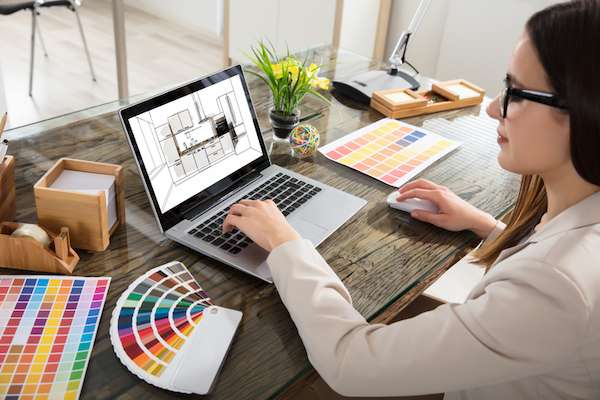
A kitchen and bath designer is a person who makes kitchens and bathrooms look better by planning where things like cabinets, counters, and sinks must go. They use creative ideas to design these spaces. Kitchen and bath designers make an average salary of around $50,000 per year.
Color Consultant
A color consultant helps people choose colors for their homes or businesses to create the right feeling or look. They suggest which colors go well together to make a room feel cozy, lively, or calming. Color consultants earn an average annual salary of around $45,000.
Financial Prospects
Financial prospects in this field can vary depending on different factors. For example, experience and skills. Still, overall, interior designers can earn a good income by working with clients to bring their design visions to life. Let’s learn the financial prospects in detail.
Income Range In Interior Design
Just like practicing a sport makes you better, practicing interior design can increase your skills and income. Beginners earn around $50,000 but experienced designers or those with their businesses can earn even more money.
So, the more you work and improve, the more you can earn as an interior designer!
Client Billing Structures
Interior designers charge for their services in different ways. They can bill by the hour. They can also charge a fixed amount for the whole project. Again, they can take a percentage of the project’s total cost.
The method they choose depends on how big and complex the project is.
Leveraging A Strong Portfolio
Having a strong portfolio that shows different projects and design skills can help interior designers attract important clients and great job opportunities. It’s similar to having a showcase of your best work. It is to impress people and get exciting chances to work on new and exciting projects.
Professional Growth

Professional growth in interior design involves continuous learning and skill development. This is to excel in creating beautiful and functional spaces. It includes staying updated with the latest trends, techniques, and technologies.
It will enhance creativity and expertise in designing homes, offices, and other environments. Let’s discuss professional growth here.
Continuing Education Opportunities
Learn new things through workshops, and certifications. Also, get higher degrees. These will help you become better at your job. These will also make you more attractive to potential employers. It’s similar to adding new tools to your toolbox to help you do your job even better.
Industry Networking And Associations
Meet and build relationships with people in the same line of work. Join groups related to your job. Go to events where you can meet new people. All these can lead to working together on projects and creating new opportunities.
It’s similar to making new friends who can help you succeed in your job.
Expanding Specialized Design Skills
Learn about specific, unique topics or new styles in design. It helps you stand out and reach new groups of people. Those people can be interested in your work.
It’s similar to trying out new flavors of ice cream to see which one you like best. You also like to see which one you want to share with your friends.
Challenges And Demands
Interior design is an exciting career. Here, experts create beautiful and functional spaces. Still, it comes with challenges and demands. For example, meeting client expectations, staying up-to-date with trends, and working within budget constraints. It requires creativity, patience, and a passion for design.
Let’s learn more about it.
Managing Client Expectations
When working with clients who have different ideas, listen to them and share your own. By combining both of your ideas, you can create a design that makes everyone happy. It’s teamwork, where everyone’s thoughts are important to make something great together.
Staying Updated On Trends
Stay aware of new design trends and technologies. It helps to stay current and competitive in the industry. It’s similar to keeping up with the latest styles and tools. It is to make sure your work is up-to-date and stands out. By learning new things, you can be better at what you do.
Balancing Creativity With Budget Constraints
Balance your creative ideas with the money you have. It means being clever and willing to make some changes to create good results. It’s similar to finding ways to make something awesome while making sure you don’t spend too much money.
By being smart and flexible, you can still make cool things happen.
5 Alternative Interior Design Career Roles
Alternative interior design career roles include furniture designer, virtual interior designer, and event space designer. They also include renovation consultants and design bloggers or influencers. Let’s learn about these five roles in detail.
Furniture Designer
A furniture designer makes custom furniture that fits perfectly with the style of a room. They work closely with interior designers to create unique pieces. The average annual salary for a furniture designer is around $55,000.
Virtual Interior Designer
A virtual interior designer uses computers and software to help people decorate their homes without meeting in person. They create designs and show what the rooms will look like before any changes are made. The average salary for a virtual interior designer is around $50,000 per year.
Event Space Designer
An event space designer creates layouts and decorations for special occasions like parties, meetings, or shows. They make sure the space looks beautiful and fits the theme of the event. The average annual salary for an event space designer is around $45,000.
Renovation Consultant
A renovation consultant helps people make their homes better by advising on how to improve them. They suggest changes to make spaces more functional and attractive. By doing this, they help increase the value of the property.
The average annual salary for a renovation consultant is around $60,000.
Design Blogger/Influencer

A design blogger/influencer writes online articles or creates videos about design ideas and styles, which can inspire people when decorating their homes. They can influence what people buy and the latest trends in the design world.
The average annual salary for a design blogger/influencer varies widely. Still, it can range from $30,000 to $100,000 depending on their popularity and reach.
FAQs
1. How Many Years Does It Take To Be An Interior Designer?
Becoming an interior designer takes around 4 years. This includes earning a bachelor’s degree in interior design. It also includes gaining work experience through internships. You need to pass the National Council for Interior Design Qualification exam. It’s a rewarding career path.
2. Is It Hard To Get A Job As An Interior Designer?
Yes. Securing a job as an interior designer can be competitive. This is due to the creative nature of the field. Build a strong portfolio. Get experience through internships. Also, develop networking. These are key steps to increase your chances of getting a job and success in this career.
3. Can You Call Yourself An Interior Designer Without A Degree?
Yes. While having a degree in interior design can be beneficial, it is possible to call yourself an interior designer without one. Building a strong portfolio, gaining experience through internships or apprenticeships, and staying updated on design trends can help you succeed in this field.
Conclusion
Choosing a career in interior design can be a rewarding and creative path. As an interior designer, you get to work with colors, patterns, and materials. It is to create beautiful and functional spaces.
You also get to help people bring their visions to life. You also make their homes or places of work more comfortable and stylish. With hard work and dedication, you can build a successful career in the field of interior design.
You can also make a positive impact on the spaces around you. So when you have a passion for design and enjoy being creative, a career in interior design can be the perfect choice for you!
