
Is Steel Or Iron Ore A Good Career Path? Roles, Salaries, Skills & Qualifications
Yes! Choosing a career in steel or iron ore is more than just a smart move—it’s a future-proof decision. These industries power global infrastructure, from bridges to skyscrapers. Whether you’re looking for job security, competitive pay, or work you can be proud of, steel industry careers and iron ore jobs offer lasting opportunities.
From hands-on trade roles to engineering and environmental science, the sector supports a wide variety of high-paying trade careers.
Why Is There A High Demand For Steel And Iron Ore Careers?
It’s because we use steel to build things like houses, cars, bridges, and tools. Since people always need these things, there are always jobs for the people who help make steel and dig up iron ore.
What Makes The Steel And Iron Ore Industry So Essential?
Steel and iron ore are the backbone of construction, manufacturing, and transportation. They are used in everything from skyscrapers and cars to tools and appliances. This constant demand drives long-term job opportunities across mining, refining, manufacturing, and logistics.
How Do These Careers Offer Job Stability?
Steel and iron ore are essential to nearly every sector of the global economy. So, jobs here are less susceptible to outsourcing or automation. Even during economic downturns, infrastructure must be maintained, ensuring steady demand for skilled professionals.
What Types Of Jobs Are Available In Steel And Iron Ore?
Some people work in mines to dig up iron ore. Others work in factories to melt, shape, and check the steel. You can also be an engineer, a machine operator, or a safety worker to help everything run safely and smoothly.
What Roles Exist In The Steel Industry?
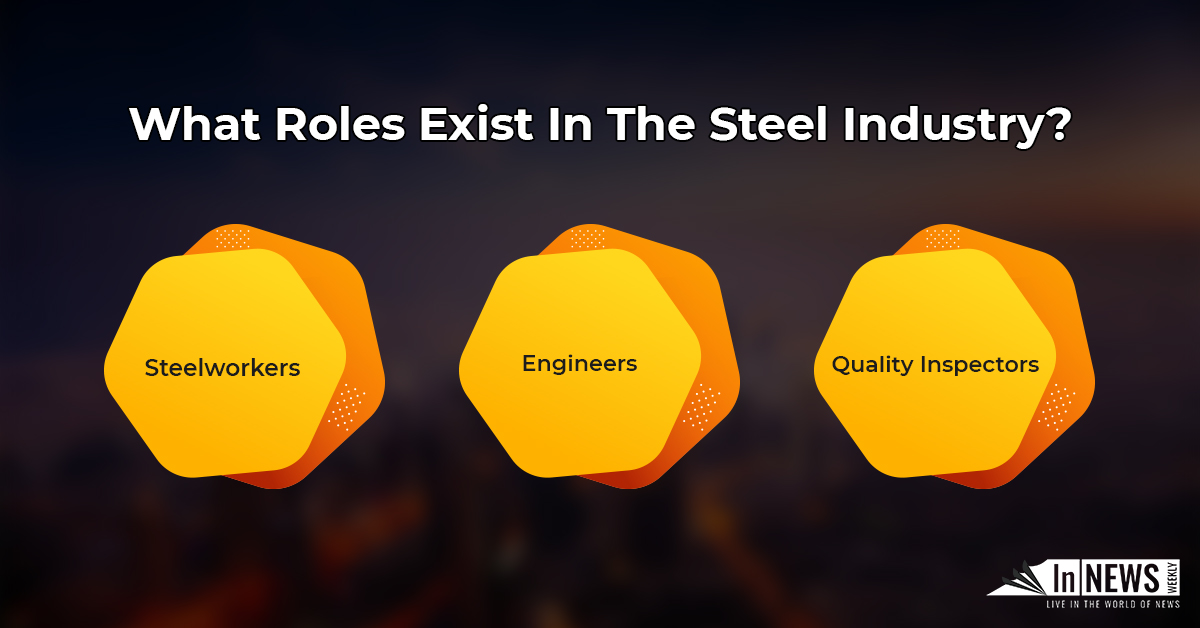
Steel production relies on skilled tradespeople, technicians, and engineers. Here are three key career options:
- Steelworkers: Operate machinery, pour molten metal, or shape hot steel into products. This is ideal for those who enjoy hands-on, physical work.
- Engineers: Develop more efficient ways to manufacture steel, solve production issues, and design machinery.
- Quality Inspectors: Ensure steel meets performance and safety standards before it’s used in construction or manufacturing.
What Careers Start In Iron Ore Mining?
Steel begins with iron ore, and mining it requires several critical roles:
- Geologists: Locate and evaluate new ore deposits using advanced surveying and data modeling.
- Mining Machine Operators: Run massive drills, loaders, and transport equipment in surface or underground mines.
- Safety Specialists: Protect workers by enforcing safety protocols and conducting inspections.
What Jobs Can You Transition Into?
Experience in these industries can lead to related fields, including:
- Welding: A versatile, high-demand skill used in construction, fabrication, and shipbuilding.
- Manufacturing: Factories that produce cars, tools, and appliances rely on your knowledge of metals.
- Recycling: Steel is infinitely recyclable, creating eco-focused career paths in green tech and materials recovery.
How Much Can You Earn In The Steel Or Iron Ore Industry?
Many jobs pay more than $50,000 a year, and some pay even more if you have special skills or experience. You can also get extra money through bonuses and benefits like health insurance.
What Are The Average Salaries?
Many positions in these industries offer wages well above national averages. While the U.S. average worker earns around $41,000/year:
- Skilled steelworkers and machine operators: $50,000–$70,000+
- Engineers and supervisors: $70,000–$100,000+
- Mining roles: $60,000+, depending on experience and location
Are Bonuses And Benefits Included?
Yes. Many companies offer:
- Performance bonuses
- Profit-sharing incentives
- Hazard pay or overtime premiums
You’ll also often receive comprehensive benefits like:
- Health, dental, and vision insurance
- Paid time off and sick leave
- Retirement plans (401(k) or pensions)
What Skills And Qualifications Do You Need?
You need to be good at using machines, following safety rules, and working with others to work in steel or iron ore. Some jobs need special training or certificates, but many teach you while you work. Being strong, careful, and a good team player really helps too.
What Technical Skills Are Important?
Jobs in steel and iron ore often require:
- Machinery operation (cranes, drills, furnaces)
- Welding and metalworking
- Blueprint reading and computer literacy
- Mechanical or engineering principles
What Safety Certifications Might Be Required?
Depending on the role, you’ll need:
- Forklift certification
- Confined space training
- Working at heights clearance
Many employers provide safety training, especially for entry-level roles.
What Personal Traits Help You Succeed?
These are as follows:
- Strong work ethic
- Physical stamina
- Attention to detail
- Teamwork and communication skills
These qualities are essential for success in blue-collar jobs with benefits.
What Are The Challenges And Rewards?
The job can be hard because you need to work long hours, lift heavy things, or be in hot or loud places. Yet, the reward is big—you help build things like buildings and bridges, and you can earn good money while doing something important.
Is The Work Physically Demanding?
Yes. You can face:
- Long shifts or rotating schedules
- Heat, dust, and loud environments
- Lifting or operating heavy equipment
Yet, these jobs also offer a visible impact—you help build cities, move the economy, and power everyday life.
What Makes This Career Fulfilling?
You’ll see the results of your work in roads, buildings, vehicles, and bridges. That sense of purpose and pride is rare—and deeply rewarding.
Is The Industry Evolving?
Yes. Sustainability and automation are transforming these fields. You could help develop greener steel or improve mining efficiency, making your work both innovative and future-oriented.
Can You Advance Your Career In This Industry?
Yes, you can grow your career in this industry. You can start with a simple job and move up to be a leader, manager, or even an engineer by learning new skills and getting more experience.
How Can You Grow Your Skills?
Most companies offer:
- On-the-job training
- Certifications in welding or metallurgy
- Continuing education reimbursement
You’ll stay current with tech advances and safety regulations.
What Leadership Roles Are Possible?
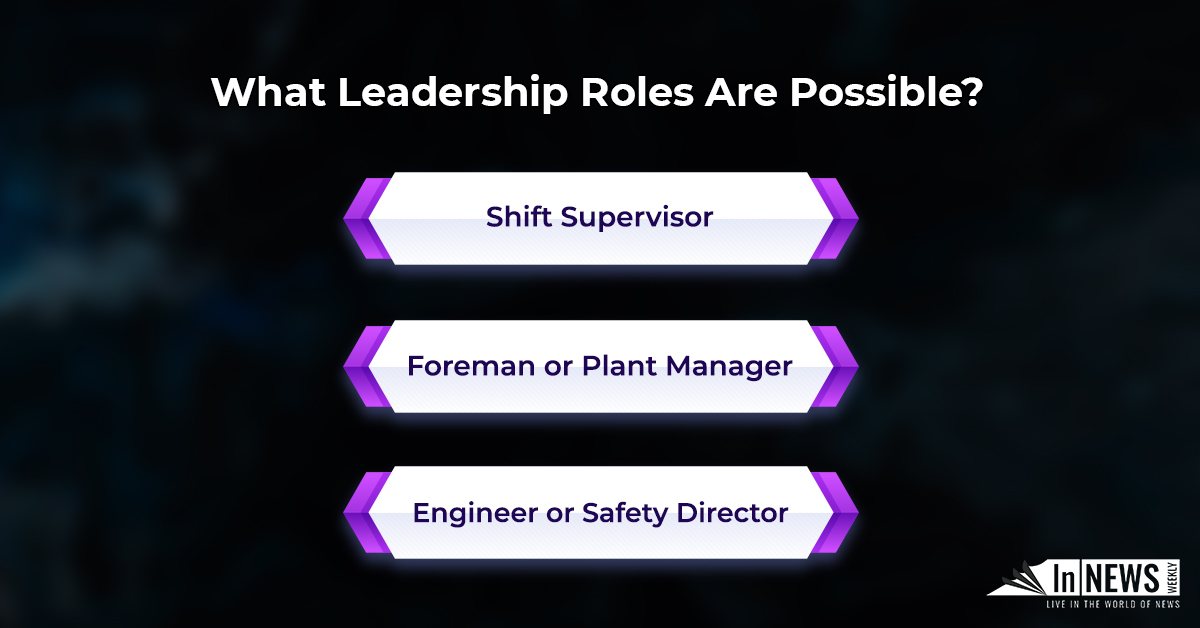
- Shift Supervisor: Lead a production team
- Foreman or Plant Manager: Oversee operations
- Engineer or Safety Director: Design systems or lead compliance
Do Degrees Help?
Not always. While many roles require only a high school diploma or trade certification, others benefit from:
- Associate’s degrees in industrial tech or maintenance
- Bachelor’s in engineering or metallurgy
This makes the industry accessible to workers with or without a degree.
What Is The Work-Life Balance Like?
The work-life balance can be tricky because some jobs have long hours or night shifts. Yet, with good planning and support, many people still find time for family, friends, and fun.
Will You Work Non-Traditional Hours?
Many jobs use rotating shifts or weekend schedules, especially in 24/7 operations. This can impact personal routines, but also allows flexibility.
Are There Flexible Scheduling Options?
Some employers offer:
- Compressed workweeks (e.g., 4 days on, 3 days off)
- Shift swapping or rotating schedules
With planning and open communication, you can manage work-life balance effectively.
Frequently Asked Questions
1. Is The Steel Industry A Good Career For The Future?
Yes. It offers stability, innovation, and a wide range of job opportunities. As demand grows for green steel and modern infrastructure, skilled workers will remain in demand.
2. Do You Need A Degree To Work In Steel?
Not for most roles. Iron ore jobs and steel production careers value hands-on training, certifications, and apprenticeships. Degrees are mainly needed for engineering or management paths.
3. What Career Opportunities Exist In Steel And Iron Ore?
From mining and metallurgy to operations, sales, and sustainability roles, the field offers something for every interest—and pays well.
Conclusion: Is Steel Or Iron Ore A Good Career Path?
Yes—without a doubt. Steel and iron ore careers are high-demand, high-impact, and highly rewarding. You’ll find:
- Competitive pay and strong job security
- Many entry points—with or without a degree
- Clear growth opportunities and room for advancement
- Pride in building the structures and tools society depends on
When you want a career that matters—and lasts—this is one of the strongest paths you can choose.
