
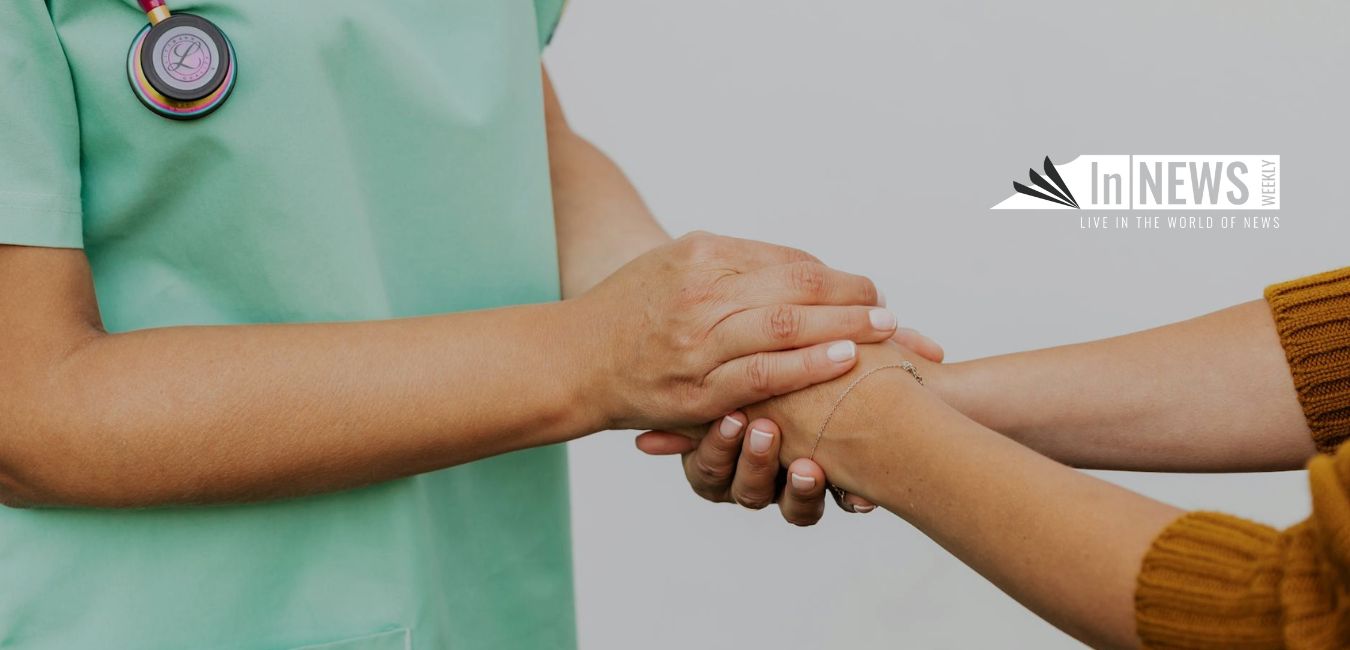
Are We Listening Enough? The Role Of Nurses In Patient Advocacy
Most patients feel they are not listened to during medical care. This is not just frustrating—it can affect health outcomes. When people are sick, scared, or confused, being heard becomes a vital part of the healing process. But in many care settings, patients still struggle to have their concerns taken seriously. They may not speak up, or when they do, they may feel ignored.
That’s where nurses come in. Nurses are often the first and last point of contact during a hospital stay. They are there for the conversations, the questions, and the quiet moments. It also allows them to guide care teams in ways that reflect the patient’s wishes. But this role isn’t always highlighted the way it should be.
Patient advocacy isn’t an extra skill—it’s part of what nursing is. And today, more than ever, it’s worth asking: are we doing enough to support and strengthen that role?
Empowering Nurses Means Empowering Patients
What Patient Advocacy Really Means
Patient advocacy means looking out for a patient’s rights, safety, and needs. It’s about helping people get the care they deserve, especially when they’re too sick, scared, or unsure to ask for it themselves. Advocacy can involve helping someone understand their diagnosis or treatment plan. It may also mean speaking to a doctor or manager about something that’s been overlooked.
Nurses don’t just follow medical orders. They build relationships with patients. That makes it easier for them to know when something doesn’t feel right or when a person needs more help. Advocacy also includes protecting patient privacy, making sure patients give proper consent, and standing up if care seems unsafe or rushed.
Many of these skills are strengthened through continued education. For example, an RN BSN program goes beyond basic clinical training and places greater focus on ethics, communication, and patient-centered care. Nurses who complete this type of program often report feeling more confident when stepping into an advocacy role. They’re taught how to think critically, speak up within complex care teams, and support the full picture of a patient’s needs—not just the medical ones.
Listening Involves More Than Just Hearing
Good listening is a core part of patient advocacy. But listening doesn’t stop at words. Nurses often pick up cues from how someone moves, reacts, or even from what they don’t say. A patient may agree with a care plan but seem unsure. Or they may downplay pain to avoid looking weak. Nurses are trained to notice these signals.
True listening means paying attention to the whole person. Nurses can then ask the right questions, explain things again if needed, or get a second opinion. All of this supports better care and helps patients feel seen and respected.
Protecting The Most Vulnerable Patients
Some patients have a harder time speaking up. These may include children, older adults, people with language barriers, or those with cognitive challenges. These groups are more likely to have their needs overlooked. That’s where nursing advocacy becomes even more important.
Nurses often serve as the voice for these patients. They can ask for a translator, involve a caregiver, or adjust communication styles to make sure the patient understands what’s happening. They also ensure that the care plan respects the patient’s background, culture, and comfort level. Advocacy in these cases is not just helpful—it’s necessary.
Handling Disagreements With Confidence And Care
There are times when nurses may not agree with a doctor’s decision or a treatment plan. This is not unusual. Nurses see the patient more often, so they may spot issues that others miss. Still, raising a concern can feel difficult, especially in a fast-moving or high-pressure environment.
Advocacy doesn’t mean being disrespectful. It means asking questions, sharing observations, and giving input in a way that supports better care. When nurses have clear facts and speak from the patient’s perspective, their concerns are more likely to be heard. Hospitals that support open communication help nurses do this without fear. Respectful teamwork can help solve problems before they turn into bigger issues.
Why Good Documentation Is Also Advocacy
Writing things down may not seem like a big deal, but it plays a key role in patient advocacy. Accurate records show what a patient said, how they responded to treatment, and what changes took place. If something is missed or questioned later, these notes help explain what happened.
Nurses who take the time to document clearly and completely make it easier for the whole care team to stay informed. It can help a new shift nurse avoid repeating questions or prevent delays in care. Good documentation also protects the patient’s voice, especially if they are later unable to speak for themselves. This kind of behind-the-scenes work makes a real difference in patient outcomes.
Supporting Choices At The End Of Life
When patients face serious or life-limiting conditions, nurses often become a steady source of support. These are tough moments. Patients may need to make hard choices about how much treatment they want or what kind of care they prefer. Some may want to stop aggressive care and focus on comfort.
Nurses help by making sure these wishes are respected. They talk with families, explain what to expect, and help guide the care team based on what the patient wants. Advocacy during end-of-life care isn’t about making decisions for patients—it’s about helping them stay in control of their care. When done well, it brings comfort and clarity during a difficult time.
Nurses are in the best position to hear, notice, and speak up for patients. They’re trained to observe, to ask, and to act. Patient advocacy is not a side task—it’s a key part of their role. Yet, this part of nursing is often undervalued.
For advocacy to be strong, nurses need support. That means better training, safer workplaces, and open lines of communication. It also means making space for their voices. Because when nurses are heard, patients are heard too. And that’s the kind of care everyone deserves.
