
Chronic Pain: Does It Make It More Likely You’ll Become an Alcoholic?
Until you live with chronic pain regularly, you don’t know the lengths you’d go to in order to get rid of the discomfort. Movements that were once performed without thought can take minutes of cautious, slow, and painful action.
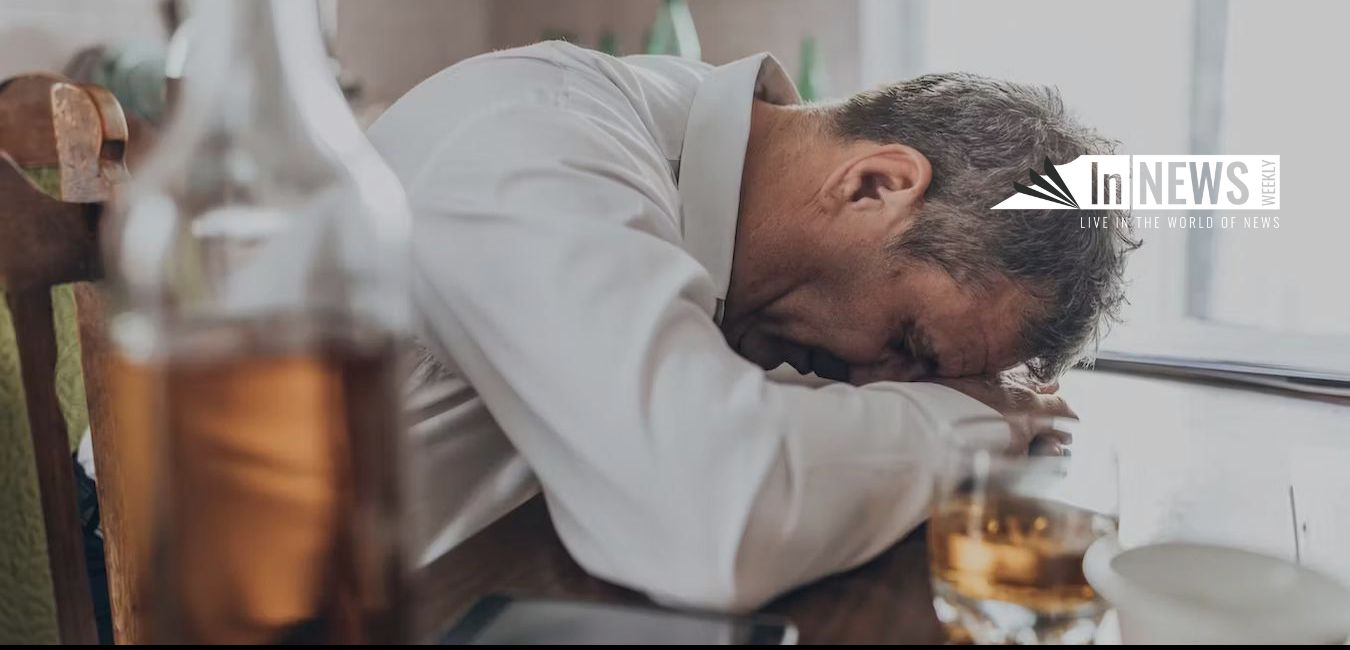
It’s not surprising that many people with chronic pain turn to substances like alcohol to suppress their feelings. Between the discomfort and the loss of enjoyment in life, you might consider numbing your pain with an alcoholic beverage or two … or three …
At what point does this habit turn from self-medication into addiction? There is a simple alcoholism test you can take if you think you might be getting close to the line between regular drinking and being an alcoholic.
One common reason people say they drink is to get rid of discomfort, whether physical or mental. Does having chronic pain make you more likely to be an alcoholic? Let’s dive into that question here.
Chronic Pain & Alcohol Understanding the Link
Feeling Desperate Leads to Self-Medication
No one decides to turn to alcohol as an immediate pain reliever. Instead, they try various methods to get rid of their pain, like home therapy, physical or mental health therapy, medications, and lifestyle changes.
Eventually, when nothing else seems to work, the individual realizes that when they’re drinking, they’re not hurting quite as badly. They might not notice it at first, but over time, they begin drinking more and more to numb the pain.
This relief is always temporary. As the person’s alcohol tolerance increases, it takes more of the substance to feel any better. This leads to a dangerous cycle of addiction that is not only difficult to break, but it can be deadly.
Quitting alcohol “cold turkey” may cause reactions in the brain and body organs that shock the system. If you think you’re an alcoholic and you want to quit drinking, be sure you discuss the potential dangers with your doctor or an addiction expert.
Why People With Chronic Pain Are Likely to Drink
Self-medicating is one of the top reasons why individuals who are always hurting prefer to drink away their feelings. Because the pain changes their daily lives, interrupts their sleep, and causes them to be tired regularly, they want something to help make them feel better. Alcohol can help you fall asleep, but it isn’t a restful slumber. Still, it’s enough for someone in pain to get relief from their emotional and physical issues for a few hours.
Other therapies are available that can help with a person’s overall health, but these can take time to work effectively. Mental health counseling can be life-changing. However, many people struggle with admitting they need help in a society where “therapy” has been a stigma for so long.
Sadly, drinking alcohol has traditionally been more acceptable than seeing a counselor for your woes. The good news is that this outdated view is changing, and therapy is accepted and encouraged, but breaking a perspective you’ve had for most of your life is understandably a challenge. With alcohol available almost everywhere, it’s easier in the short term to drink away your pain.
The Reality Behind Self-Medicating With Alcohol
The temporary relief you’ll get with alcohol may help your chronic pain at that moment. But it will take more and more of the substance to give you the same relief, which puts you on that slippery slope to alcoholism.
Along the way, you’ll likely develop at least a few of the medical conditions that stem from alcohol use, including high blood pressure, cardiovascular disease, liver disease, and digestive problems. Your risk of stroke, dementia, and cancer will rise.
These conditions are on top of the chronic pain you already have. As you seek relief from your discomfort, consider whether you want the therapy you choose today to cause you even more pain in the future. If that answer is no, it’s time to turn away from your alcoholic beverage and get help to find other ways to feel better.
