
Creating Transparent Workflows With Smarter Reporting Systems
In any modern business, transparency is more than just a buzzword—it’s a key driver of trust, accountability, and efficiency. Whether you’re managing a small startup or a large corporation, ensuring that your internal processes are open and understandable makes a big difference. One of the most powerful tools to support this vision is a smarter reporting system. These systems empower teams to work cohesively, monitor progress in real time, and make informed decisions based on clear, actionable data.
This blog explores how smarter reporting systems can transform workflow transparency, streamline operations, and encourage collaboration, ultimately laying the foundation for scalable success.
Understanding Workflow Transparency
Transparency in workflows refers to the visibility of tasks, responsibilities, timelines, and outcomes across all levels of an organization. It ensures that every team member understands what needs to be done, by whom, and by when. With clear workflows, team members can track progress, detect bottlenecks, and communicate effectively.
Transparent workflows help:
- Eliminate misunderstandings
- Minimize duplicated efforts
- Improve accountability
- Foster trust between departments and teams
Yet achieving this kind of openness often requires more than just well-documented processes. It demands consistent reporting, data accessibility, and a centralized overview of operations—all areas where smart reporting systems excel.
What Makes A Reporting System “Smart”?
A smart reporting system goes beyond spreadsheets and static reports. It integrates with business tools, automates data collection, provides real-time updates, and generates insights in formats that are easy to understand. The smarter the system, the more proactive and insightful it becomes.
Key features of smart reporting systems include:
- Real-time dashboards: Allowing teams to see data as it happens
- Customizable reporting: Letting users filter by project, team, or metrics
- Automation: Reducing the need for manual entry and saving time
- Collaboration tools: Enabling comments, notes, and shared views
- Predictive analytics: Offering foresight based on historical trends
By leveraging these features, companies can improve the transparency of their workflows and give stakeholders the information they need to act quickly and confidently.
Bridging Departments With Centralized Data
When different departments operate in silos, information tends to be fragmented. One team may be unaware of another’s progress, leading to delays and inefficiencies. Smart reporting systems break down these silos by centralizing data and making it accessible across the organization.
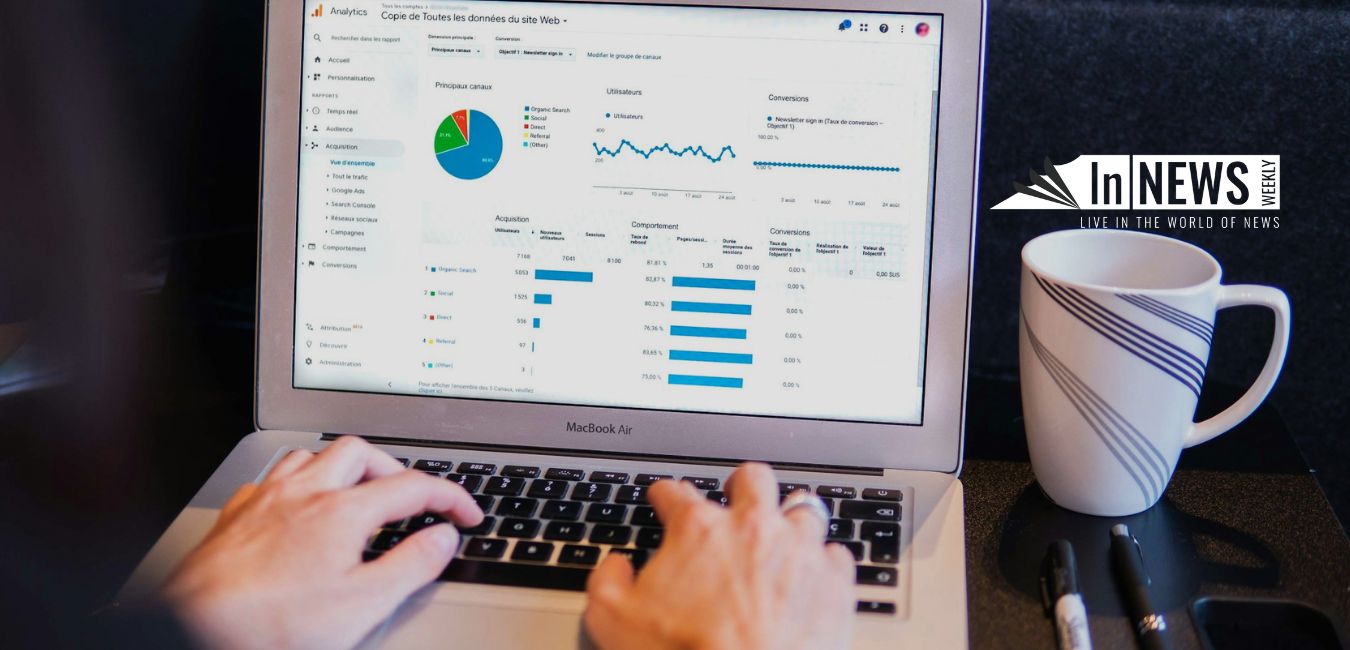
For example, a marketing team using an SEO dashboard reporting system can align with the sales department by sharing campaign metrics and lead conversions. This ensures that both teams are working toward shared goals and can make strategy adjustments based on mutual insights.
Having a centralized platform also eliminates the classic “who has the latest report?” problem. Everyone sees the same data, in real time, and any discrepancies can be addressed immediately.
Real-Time Reporting: A Game-Changer
One of the biggest advantages of smarter reporting is the ability to generate and share reports in real time. This is a major shift from traditional reporting methods, which often rely on weekly or monthly updates. Real-time insights make it possible to:
- Respond quickly to unexpected challenges
- Optimize ongoing projects without waiting for post-mortem analysis
- Keep stakeholders informed at every stage of the process
With real-time data, decision-makers don’t have to rely on outdated information. Instead, they can adjust strategies while projects are still in motion. This agility is especially valuable in fast-paced industries like tech, marketing, and e-commerce.
Increasing Accountability Through Visibility
Accountability thrives in an environment where tasks and outcomes are clearly visible. When everyone knows who is responsible for what, and how success is measured, it becomes easier to meet expectations and flag issues early.
Smart reporting systems play a vital role here by:
- Assigning responsibilities within reports and dashboards
- Allowing users to track the status of individual tasks or projects
- Displaying performance metrics tied to specific contributors or teams
This visibility encourages a culture of ownership and continuous improvement. It’s not about micromanagement—it’s about clarity and mutual support.
Encouraging Proactive Collaboration
Another benefit of transparent workflows is the ability to foster proactive collaboration. Rather than reacting to problems after they arise, team members can use shared insights to coordinate better and anticipate issues.
Smarter reporting systems facilitate this by:
- Offering shared dashboards with annotation features
- Sending alerts for potential risks or anomalies
- Enabling teams to comment directly on data points or KPIs
These tools promote an ongoing conversation about performance, results, and next steps. Instead of waiting for a weekly meeting, teams can align continuously, reducing miscommunication and improving agility.
Aligning Goals And Outcomes With Smarter Metrics
A common challenge in business operations is aligning day-to-day activities with long-term goals. Smart reporting systems help bridge this gap by offering customizable KPIs that reflect broader objectives.
For instance, a digital marketing team may focus on content creation, SEO optimization, and paid campaigns. By using a smarter reporting platform that integrates these areas into one view, the team can easily see how their work contributes to metrics like lead generation or ROI.
An ideal example is using an SEO dashboard reporting system that centralizes keyword rankings, traffic growth, and backlink performance. This enables content strategists, outreach specialists, and executives to stay aligned on progress and make coordinated improvements.
Reducing Human Error And Manual Work
Manual data entry and reporting often lead to errors, delays, and miscommunication. These mistakes are not only costly but also undermine trust in the reporting process. Smart systems reduce human error by automating data collection, calculations, and formatting.
Automation ensures:
- Accuracy of numbers and metrics
- Standardized reports across departments
- Less time spent gathering data and more time analyzing it
When reports are consistently reliable, stakeholders feel more confident using them to make decisions. Over time, this consistency builds a culture where data is treated as a single source of truth.
Enabling Scalable Processes
As organizations grow, manual reporting and disjointed workflows become even more problematic. What works for a team of five may completely break down in a department of fifty. Smart reporting systems support scalability by creating standardized, repeatable processes.
Whether you’re onboarding new team members, launching a new product, or expanding to new markets, having a reporting structure in place ensures:
- Everyone receives the same information and guidance
- Metrics are tracked consistently across teams
- Leaders can scale without sacrificing oversight
This structure helps businesses remain agile while maintaining clarity and control.
Enhancing Client And Stakeholder Communication
Transparent workflows aren’t just valuable internally—they also improve relationships with clients, partners, and stakeholders. When external parties can see accurate, up-to-date data, it builds trust and makes collaboration smoother.
Smart reporting tools enable client-friendly dashboards that can:
- Show campaign progress and ROI
- Track product development milestones
- Provide audit trails of decisions and changes
By making this data accessible, businesses demonstrate integrity and professionalism, giving stakeholders peace of mind and a stronger sense of partnership.
Choosing The Right Reporting Platform
Not all reporting systems are created equal. When selecting a tool for your organization, consider:
- Ease of use: Is the platform user-friendly and intuitive?
- Integration: Does it connect with your current tools (e.g., CRMs, marketing platforms, accounting software)?
- Customization: Can you tailor dashboards to match specific goals or team structures?
- Scalability: Will the system grow with your business?
- Security: Does it offer role-based access and data protection features?
Take time to demo several options and gather input from team members before making a final decision. A platform that’s easy to adopt and flexible to your needs will have a far bigger impact than one that’s technically robust but hard to use.
Final Thoughts
Transparency is no longer optional in today’s business environment—it’s essential for building resilient teams, making informed decisions, and earning trust from stakeholders. Smarter reporting systems are a critical enabler of this transparency. They provide the structure, insight, and visibility needed to support open workflows and encourage collaborative success.
As your organization evolves, investing in smarter reporting is one of the most strategic moves you can make. It helps everyone—from interns to executives—see where things stand, where they’re headed, and what steps are needed to keep momentum strong.
