
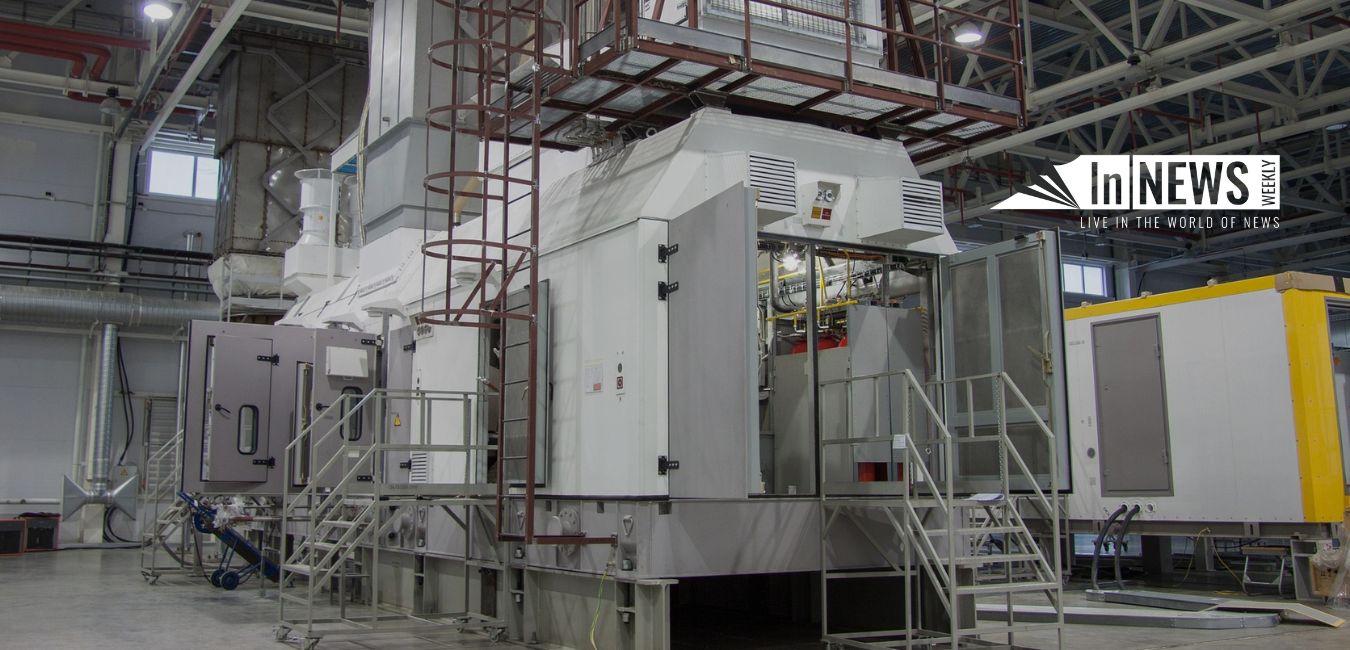
Equipment Enclosures 101: Purpose, Benefits, And Applications
In industrial, commercial, and even residential settings, protecting sensitive components is essential. Equipment enclosures play a key role in safeguarding electrical systems, communication devices, machinery, and other critical equipment. These enclosures come in various shapes, materials, and ratings to meet a wide range of demands.
Whether you’re setting up infrastructure outdoors or installing components in a factory, it’s important to understand what equipment enclosures are, what they do, and where they are commonly used. This guide breaks down the fundamentals.
What Is An Equipment Enclosure?
An equipment enclosure is a protective housing designed to shield internal components from environmental exposure, tampering, or mechanical damage. They are commonly used to contain electrical systems, control panels, telecom equipment, power supplies, and other sensitive devices.
Depending on the intended use, equipment enclosures can be built for indoor or outdoor conditions and are made from materials like steel, aluminium, polycarbonate, or stainless steel.
Why Are Equipment Enclosures Important?
Enclosures provide more than just organization. They offer a front-line defense against damage and downtime. Their importance lies in several key functions:
- Protection from environmental elements: Rain, dust, humidity, temperature fluctuations, and corrosive substances can all harm exposed equipment.
- Physical security: Enclosures reduce the risk of tampering, theft, or accidental contact with live electrical components.
- Compliance: In many industries, enclosures are required to meet safety and electrical codes (such as NEMA or IP ratings).
- Operational efficiency: By housing equipment in designated spaces, enclosures help streamline maintenance and reduce clutter or confusion.
Key Features To Consider
The design and specification of an equipment enclosure depend on its intended use. Some important features to consider include:
- Material: Steel and aluminium are common for durability, while non-metallic enclosures are lightweight and resistant to corrosion.
- Ingress protection (IP) rating or NEMA rating: These standards indicate the level of protection against dust, water, and other intrusions.
- Ventilation and cooling: Some enclosures include vents or fans to prevent overheating.
- Mounting options: Wall-mounted, pole-mounted, floor-standing, or rack-mounted enclosures are available to suit different installations.
- Access control: Locking mechanisms, hinged doors, and removable panels help control who can access internal components.
Common Applications
Equipment enclosures are used across a wide range of industries and environments. Some of the most common applications include:
- Electrical distribution: Protecting breakers, wiring, and panels from damage and exposure.
- Telecommunications: Housing networking and data equipment for reliable operation in various climates.
- Industrial automation: Enclosing PLCs, drives, and control systems to prevent contamination or mechanical impact.
- Outdoor infrastructure: Protecting equipment used in transportation, utilities, and construction from weather and vandalism.
- Renewable energy: Safeguarding solar inverters, battery systems, and related electronics in both remote and urban installations.
Indoor Vs. Outdoor Enclosures
It’s important to distinguish between enclosures made for indoor and outdoor environments:
- Indoor enclosures typically prioritize access and visibility while providing basic protection from dust and incidental contact.
- Outdoor enclosures are built to withstand harsh weather, UV exposure, corrosion, and often include insulation or climate control options.
Selecting the right type ensures long-term performance and reduces the likelihood of failures due to environmental stress.
Customization And Integration
In many cases, equipment enclosures can be customized to suit the exact specifications of the application. This includes pre-drilled holes for cable entries, integrated cable management systems, cooling units, internal shelving, or rack systems. These adjustments improve usability and ensure that the enclosure works seamlessly within the larger system.
Final Thoughts
Equipment enclosures may not always be the most visible part of a system, but they are a critical line of defense in protecting and preserving valuable assets. By understanding their purpose, features, and applications, it’s easier to select an enclosure that aligns with your technical requirements and environmental conditions.
Whether you’re managing a small facility or designing infrastructure for a large-scale operation, the right equipment enclosure can significantly enhance safety, performance, and reliability.
