

Is Oilfield Services/Equipment a Good Career Path? Salaries, Job Roles, Skills & More
Yes, oilfield services/equipment is a good career path. It’s when you’re looking for high-paying, hands-on work with strong job demand, global opportunities, and room for advancement. Yet, it requires physical stamina, adaptability, and a willingness to work in challenging environments.
Key Takeaways
- High Demand: Global reliance on oil and gas creates a steady need for professionals.
- Diverse Career Options: From drill technicians to engineers, roles span technical and managerial.
- Challenging Yet Rewarding: Demanding work environments, but high earning potential.
- Growth Opportunities: Advancement, global mobility, and specialization are available.
What Education And Training Do You Need For Oilfield Services Careers?
You need a high school diploma or GED, plus specialized technical training or certifications in areas like drilling, equipment maintenance, or safety. Many roles offer on-the-job training, and advanced degrees can help you move into engineering or management positions.
Do Technical Courses Help In Oilfield Jobs?
Yes. Specialized training in drilling, maintenance, and safety protocols increases job readiness and opens doors to better-paying roles.
Is On-The-Job Training Necessary?
Yes. Hands-on fieldwork experience is crucial in this industry. Many employers provide structured programs for skill development.
Why Are Industry Certifications Important?
Certifications like Well Control, HAZMAT, or OSHA validate your technical competence and make you more competitive in the job market.
Do Advanced Degrees Boost Your Career?
Yes. Master’s and doctoral degrees can lead to higher-level roles in engineering, research, or operations management, increasing both authority and salary.
What Skills Do You Need To Succeed In Oilfield Services?
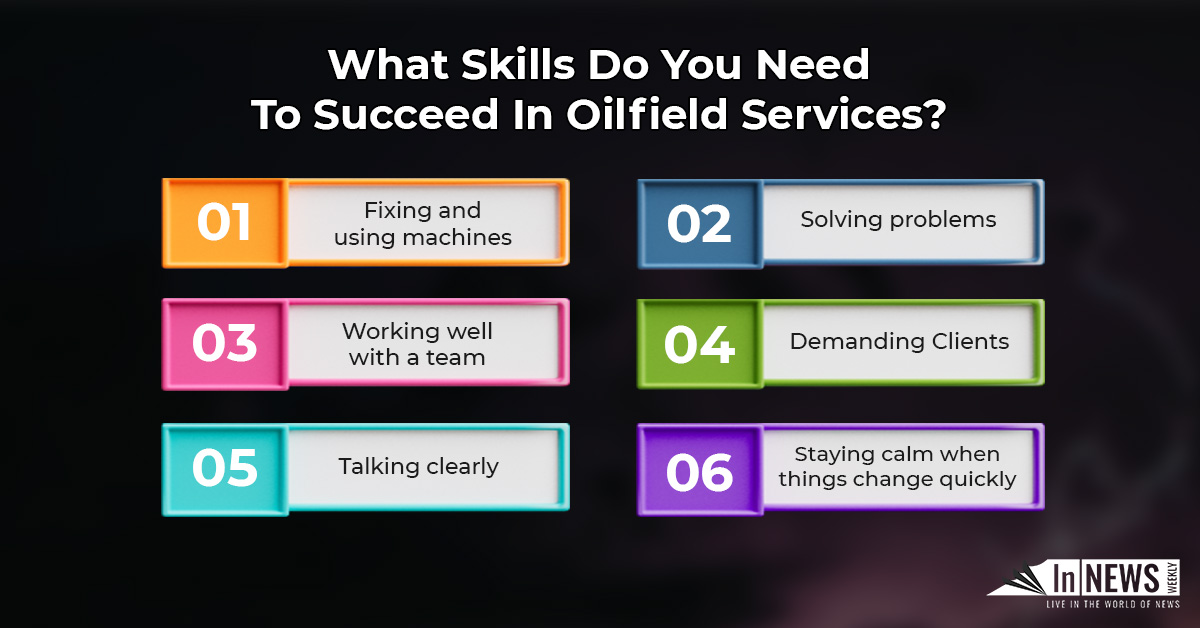
You need to be good at fixing and using machines, solving problems, working well with a team, talking clearly, and staying calm when things change quickly to succeed in oilfield services. You also need to be strong and ready to work outdoors in tough conditions.
How Important Is Equipment Proficiency?
Very. Knowing how to operate and maintain oilfield machinery ensures both safety and productivity, crucial in a hands-on work environment.
Are Analytical Skills Required?
Yes. Oilfield jobs demand problem-solving under pressure, especially in roles like well test engineers and rig managers.
Is Communication Important In This Industry?
Yes. Teamwork is everything. Clear, concise communication enhances safety and efficiency across field operations.
How Do You Handle Dynamic Work Conditions?
Adaptability is key. Conditions are often harsh, schedules are irregular, and projects can shift suddenly.
What Are The Top Oilfield Jobs And Their Salaries?
Here are some top oilfield jobs and how much they usually pay each year:
| Job Title | Average Salary Range |
|---|---|
| Drill Technician | $45,000 – $80,000 |
| Petroleum Engineer | $100,000 – $200,000 |
| Rig Manager | $90,000 – $150,000 |
| Safety Coordinator | $60,000 – $90,000 |
| Field Service Technician | $40,000 – $80,000 |
| Mud Logger | $40,000 – $70,000 |
| Wireline Operator | $45,000 – $75,000 |
| Environmental Specialist | $50,000 – $90,000 |
| Well Test Engineer | $80,000 – $120,000 |
| Project Manager | $90,000 – $150,000 |
What Financial Benefits Does This Career Offer?
Oilfield jobs can pay a lot of money. You can earn extra with overtime and bonuses. Many jobs also give benefits like health insurance, paid time off, and money for retirement. When you work in other countries, you can make even more.
Are Oilfield Jobs High-Paying?
Yes. Most oilfield jobs offer above-average salaries, especially in technical or supervisory positions.
Is Overtime Common?
Yes, and it’s lucrative. Many roles pay 1.5–2x for overtime. Bonuses for safety and performance are also common.
What Benefits Do You Get?
Typical packages include health insurance, retirement contributions, housing allowances (in remote locations), and tuition reimbursement.
Can You Work Abroad?
Yes. Countries like Saudi Arabia, Norway, and Canada offer high-paying expat roles in oil and gas, making global relocation appealing.
What Growth Opportunities Exist In Oilfield Services?
In oilfield services, you can start with a basic job and move up to higher positions as you learn more. You can get better jobs by taking training classes, learning new skills, and meeting people in the industry. Some people even become team leaders or project managers.
Can You Move Up Within A Company?
Yes. Starting as a technician or operator, you can advance to supervisory or management roles with experience and training.
How Valuable Is Continued Training?
Ongoing training boosts your resume and qualifies you for higher-level roles with better pay and responsibility.
Does Networking Matter?
Yes. Attending industry expos and joining oil and gas associations can help you uncover new opportunities and career moves.
Can You Lead Projects?
Yes. With enough experience, you can become a project manager, overseeing timelines, budgets, and team coordination.
What Are The Challenges Of Working In Oilfield Services?
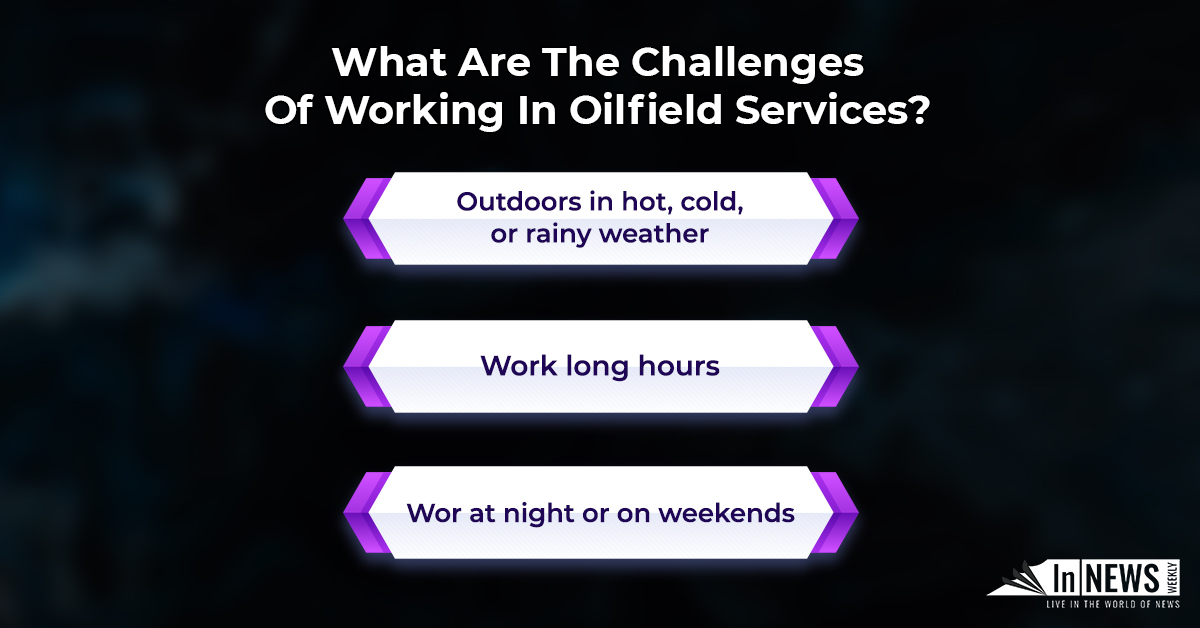
Working in oilfield services can be hard. The job is often outdoors in hot, cold, or rainy weather. You need to work long hours, even at night or on weekends. The work can be dangerous, so you must follow safety rules. Also, when oil prices go down, some jobs can be harder to find.
Is The Job Physically Demanding?
Yes. Fieldwork often requires heavy lifting, extended hours, and working in extreme weather conditions.
Do Oil Prices Affect Job Security?
Yes. Price volatility can lead to hiring freezes or layoffs. Staying versatile and cross-trained can help you remain in demand.
Are Safety Standards Strict?
Very. You’ll need to comply with rigorous safety protocols and undergo regular inspections and training.
Are Hours Long Or Unpredictable?
Often. Especially in offshore or remote sites, shifts can be 12+ hours with rotational schedules (e.g., 14 days on/14 days off).
What Are Some Alternative Career Paths?
When oilfield work doesn’t appeal, you can apply your skills in related areas:
| Role | Average Salary | Notes |
|---|---|---|
| Renewable Energy Technician | $40,000 – $80,000 | Focus on solar/wind—growing sustainability field |
| Environmental Compliance Spec. | $50,000 – $90,000 | Ensure environmental regulation adherence |
| Geotechnical Engineer | $70,000 – $100,000 | Analyze soil/rock for drilling safety |
| Industrial Equipment Technician | $40,000 – $70,000 | Maintain heavy-duty machinery |
| Manufacturing Quality Engineer | $60,000 – $100,000 | Ensure equipment quality before field use |
Frequently Asked Questions
1. What Is The Future Of Oilfield Services?
The industry is evolving with digital tech, automation, and integration with renewables. Despite this, oil demand remains strong, supporting a long-term job outlook.
2. What’s The Highest-Paying Role?
Petroleum engineers and drilling managers top the list, often earning well over $150K annually.
3. Is It Easy To Make Money In The Oilfield?
When you have the skills, certifications, and work ethic, yes. The trade-off is long hours and demanding conditions.
Final Verdict: Is Oilfield Services/Equipment A Good Career Path?
Yes—for the right person. When you value hands-on work, aren’t afraid of tough environments, and want strong pay and global job mobility, oilfield services is a compelling choice. Just know it comes with risks—price fluctuations, long hours, and physical strain. With the right training, adaptability, and mindset, it can offer financial stability and professional growth in a resilient sector.
