
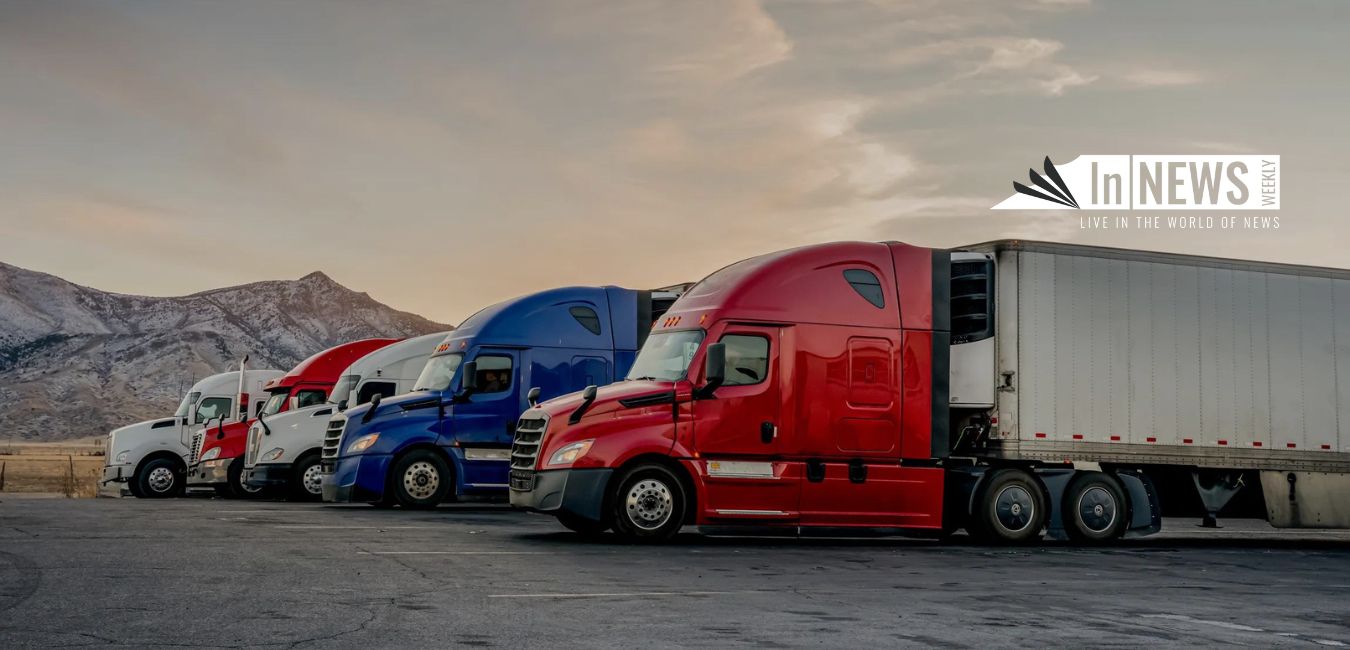
Trends & Predictions For The Trucking Industry
The trucking sector is the lifeline of our economy, essential for shuttling goods from coast to coast. In our latest blog post, we’re going to zoom in on the prevailing trends and venture some well-founded forecasts about the trucking industry’s road ahead.
So, buckle up, and let’s hit the road to explore trucking news and these exciting developments.
1. Electrification And Sustainable Trucking
Electrification is steering the charge as a prominent trend within the trucking arena. Amidst a global focus on environmental issues and the urgency to slash carbon footprints, the industry is shifting gears towards electric and hybrid trucks. Here’s a glimpse into what we might expect shortly:
● More Electric Trucks: Major manufacturers like Tesla, Rivian, and Volvo are already rolling out electric trucks. We can expect to see a more significant adoption of electric trucks, which are not only eco-friendly but also cost-effective in the long run due to lower maintenance costs.
● Charging Infrastructure: To support electric trucks, there will be a growing need for an extensive charging infrastructure. This will create business opportunities for charging station operators and potentially lead to the development of innovative charging technologies.
● Regulatory Changes: Governments worldwide are likely to implement stricter emissions standards, encouraging more trucking companies to transition to electric and hybrid vehicles.
2. Autonomous Trucks: The Future Of Long-Haul Trucking
Autonomous trucks are a hot topic in the industry. While they may not be entirely self-driving yet, they are making strides and are expected to revolutionize long-haul trucking:
● Safety First: Self-driving trucks are equipped with advanced safety features like adaptive cruise control and lane-keeping assist, making long-haul trucking safer for drivers.
● Efficiency Gains: Autonomous trucks can operate 24/7, reducing downtime and increasing efficiency. This will lead to faster and more reliable deliveries.
● Job Evolution: While there may be concerns about job displacement, autonomous trucks are likely to shift the role of drivers towards more supervisory and maintenance responsibilities, rather than complete replacement.
3. E-commerce And Last-Mile Delivery
The surge in e-commerce has had a profound impact on the trucking industry, particularly in the last-mile delivery sector:
● Demand for Faster Delivery: With the rise of same-day and next-day delivery, there’s an increased demand for efficient last-mile delivery services. This trend will likely continue, with companies investing in innovative solutions like drones and electric delivery vehicles.
● Urban Logistics: As more people move to cities, the challenge of navigating congested urban areas becomes more significant. Expect to see more innovative solutions like micro-fulfillment centers and urban distribution hubs.
4. Data-Driven Decision Making
In a world where digitalization is king, data has become indispensable in streamlining operations and guiding strategic decisions:
● Telematics: Telematics technology is revolutionizing how trucking companies gather and analyze information about vehicle performance, driver habits, and fuel economy. This invaluable data is the key to refining operational efficiency and slashing expenses.
● Predictive Maintenance: Predictive maintenance uses data to anticipate when a truck may need repairs, preventing breakdowns and costly downtime.
● Route Optimization: Using real-time data, trucking companies can optimize routes to minimize fuel consumption and delivery times.
5. Sustainability And Green Initiatives
Environmental sustainability is a pressing concern for the trucking industry:
● Alternative Fuels: Companies are exploring alternative fuels like natural gas and hydrogen to reduce their carbon footprint. Expect to see more alternative fuel-powered trucks on the road.
● Carbon Offsetting: Many trucking companies are investing in carbon offset programs to balance their emissions, showing a commitment to sustainability.
● Eco-Friendly Practices: Sustainable practices, such as improved aerodynamics and lighter materials, will continue to gain popularity.
6. Driver Shortage Solutions
The trucking industry faces an ongoing challenge: a shortage of qualified truck drivers. To address this issue, various strategies are being employed:
● Training Programs: Trucking companies and industry associations offer training programs to recruit and train new drivers.
● Retention Strategies: To retain existing drivers, companies are improving working conditions, offering better pay, and implementing technological solutions to reduce the stress of long-haul driving.
● Cross-Border Agreements: Collaborations between countries to facilitate easier movement of drivers across borders are expected to address the driver shortage issue.
7. Cybersecurity
As the trucking industry becomes more reliant on technology, the risk of cyber threats increases:
● Data Protection: Companies will need to invest in robust cybersecurity measures to protect sensitive data, including customer information and vehicle systems.
● Fleet Management Security: Cybersecurity measures will also be crucial to ensure the safety and efficiency of fleet management systems.
● Education and Training: Training for employees and drivers on cybersecurity best practices will become an integral part of the industry.
8. Enhanced Visibility And Tracking
Improving visibility and tracking of shipments is essential for better supply chain management:
● Real-Time Tracking: Shippers and customers demand real-time tracking of their shipments. Trucking companies will need to invest in technology that provides accurate tracking information.
● Blockchain Technology: Blockchain can enhance transparency and traceability in the supply chain, reducing fraud and errors.
● Improved Communication: Enhanced communication tools will be essential for efficient coordination between shippers, carriers, and drivers.
9. Infrastructure Investments
The state of the infrastructure directly impacts the efficiency and safety of the trucking industry:
● Road and Bridge Maintenance: Investments in road and bridge maintenance are crucial to ensure the safety of truck drivers and goods in transit.
● Smart Highways: The development of smart highways with integrated technology can help improve traffic flow and reduce congestion.
● Intermodal Transportation: Investment in intermodal transportation facilities, like ports and rail hubs, will facilitate the seamless movement of goods.
10. The Global Supply Chain Reshaping
The COVID-19 pandemic exposed vulnerabilities in the global supply chain, leading to changes in how goods are transported and stored:
● Nearshoring: Companies are reconsidering their reliance on offshore manufacturing and looking to bring production closer to home to reduce supply chain disruptions.
● Inventory Management: Just-in-time inventory management may give way to building larger buffers to ensure a more stable supply chain.
● Diversification: Companies are diversifying their supplier base to mitigate the risks associated with overreliance on a single source.
Conclusion
The trucking sector is at a crossroads, grappling with a host of shifts and obstacles that range from embracing greener practices and electrification to integrating cutting-edge technology and revamping supply chain tactics. In this dynamic landscape, trucking firms that are quick to adapt and adopt these changes stand a better chance to flourish. This is a thrilling era for the industry, ripe with possibilities for breakthroughs and expansion.
Whether you’re behind the wheel or simply keeping tabs on the industry, it’s wise to watch these evolving trends closely—they’re set to chart the course for trucking’s future trajectory.
