
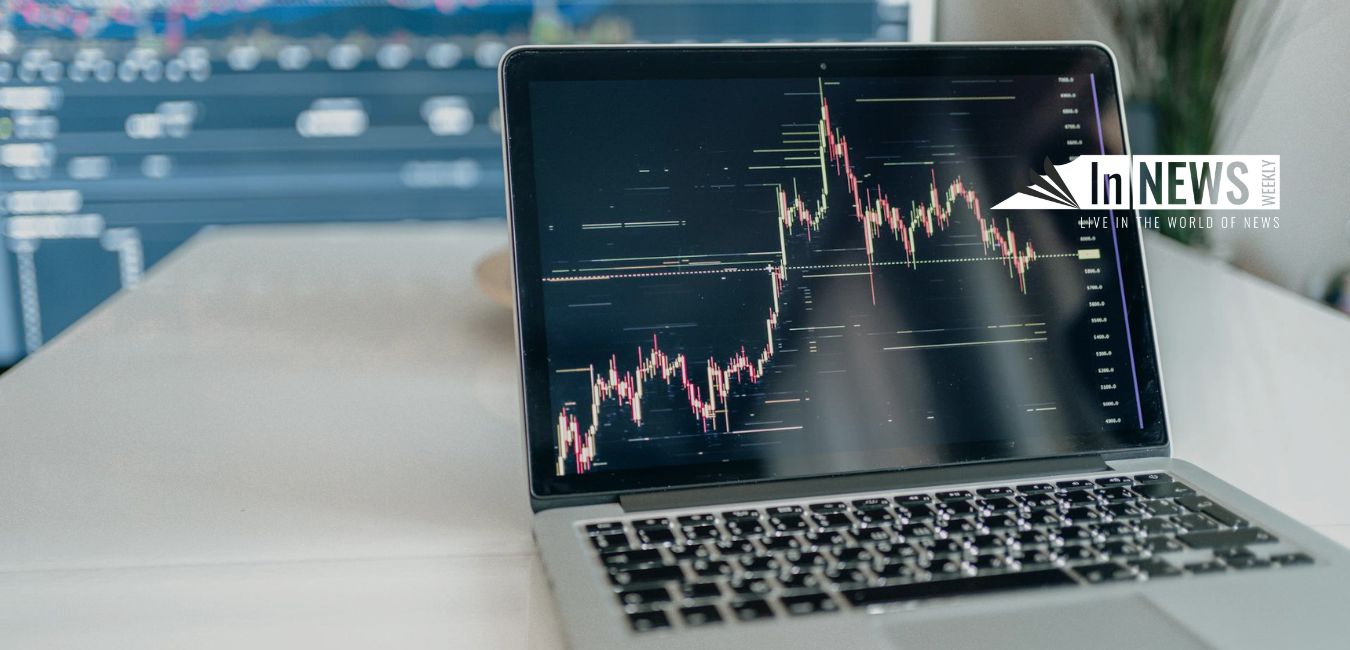
What Trading Strategies Perform Best In Volatile Forex Markets?
Volatile forex markets present both challenges and opportunities for traders. Navigating sudden price swings requires strategies that adapt quickly to changing conditions. The best trading strategies in volatile markets focus on breakout trades, momentum trading, and tight risk management to capitalize on rapid moves while limiting losses.
The tools and features of a trading platform can significantly impact the overall experience. Some are designed for advanced traders who want more complex options, while others are better suited for those just starting out in trading. Platforms like IG, OANDA, and Taurex for beginners are often good choices because they’re easy to navigate and provide helpful support along the way.
Key Takeaways
- Volatility creates opportunities best captured by breakout and momentum strategies.
- Understanding price behavior in volatile markets improves trade decision-making.
- Using suitable platforms can help beginners manage the complexities of forex trading.
Understanding Volatile Forex Markets
Volatile forex markets are characterized by rapid and significant price fluctuations driven by a range of internal and external factors. Traders must recognize these influences, as they shape liquidity, risk, and opportunity across currency pairs. Identifying the causes of fluctuations and how they manifest helps traders adapt their strategies effectively.
Key Characteristics Of Market Volatility
Market volatility is the degree of variation in currency prices over time. It is often measured by metrics like historical volatility or the volatility index (VIX), which reflects market sentiment and risk levels. In forex, volatility tends to spike during periods of low liquidity or major news events.
Volatile markets show wider bid-ask spreads and sharper price swings. Price movements can be sudden and unpredictable, forcing traders to act quickly. Liquidity can dry up temporarily, increasing slippage risk. These features require traders to use risk management techniques and adjust position sizes accordingly.
Major Drivers Of Forex Price Fluctuations
Price fluctuations in the forex market result from supply and demand imbalances influenced by several key factors. Central bank actions, such as interest rate changes or policy announcements, heavily impact currency valuations. Currency pairs tied to economies with volatile policies often experience larger swings.
Liquidity also affects price stability. Thin trading volumes amplify volatility, especially during off-market hours or holidays. Correlated currency pairs can create ripple effects, where movements in one pair influence the others. Additionally, technical factors like breakouts or stop-loss triggers contribute to rapid price changes.
Impact Of Economic And Geopolitical Events
Economic events play a primary role in driving forex market fluctuations. Scheduled news releases, including GDP reports, employment data, and inflation figures, often create predictable volatility spikes around the economic calendar. Traders closely monitor economic indicators to anticipate these movements.
Geopolitical events increase uncertainty and can trigger sharp price reactions. Political instability, trade disputes, or unexpected crises disrupt market confidence, widening spreads and increasing the volatility index. These events tend to elevate the “fear index,” which causes traders to seek safe-haven currencies. Understanding the interaction of economic data and geopolitical factors equips traders to better forecast periods of high volatility and adjust strategies accordingly for improved risk control and profitability. For detailed strategies on navigating market fluctuations, see Forex trading strategies for volatile markets.
Best Trading Strategies For Volatile Forex Markets
In volatile forex markets, it’s important to catch big price moves, manage risk, and adjust quickly to changes. Traders should balance when they enter trades with safety measures like stop-loss orders and choosing the right trade size to handle sharp swings and avoid big losses..
Trend Following Strategies
Trend following relies on identifying and trading in the direction of strong, sustained price moves. Traders use tools such as moving averages, trend lines, and the Average True Range (ATR) to confirm trend strength and volatility levels.
Popular indicators include the MACD and Relative Strength Index (RSI), which help validate trend momentum and avoid false signals. Traders often enter during pullbacks, using Fibonacci levels or pivot points as guides. Risk management is key — trailing stops help secure profits as trends continue. Position size is adjusted based on volatility (often measured by ATR) to limit losses and aim for bigger gains over medium- to long-term moves.
Breakout Trading Approach
Breakout trading targets key support and resistance levels where the price consolidates before making significant moves. When price breaks above resistance or below support, traders enter positions anticipating strong directional momentum.
A volatility breakout strategy often combines technical analysis tools such as Bollinger Bands or volatility indicators to confirm the breakout’s strength. Volume spikes can signal valid breakouts, reducing the risk of false moves. Stop-loss orders are placed just inside the breakout zone to limit risk if the price reverses. Traders may use both straddle and strangle option strategies or algorithmic triggers to automate breakout executions in fast-moving markets.
Conclusion
Volatile forex markets require strategies that prioritize speed, discipline, and risk management. Techniques such as breakout trading and hedging correlated pairs help traders navigate sudden price shifts effectively. Understanding market conditions and reacting promptly to volatility is crucial for consistent performance. Traders who adapt strategies to changing volatility levels tend to manage risk better and identify profitable opportunities.
