
Is Aerospace Engineer a Good Career?
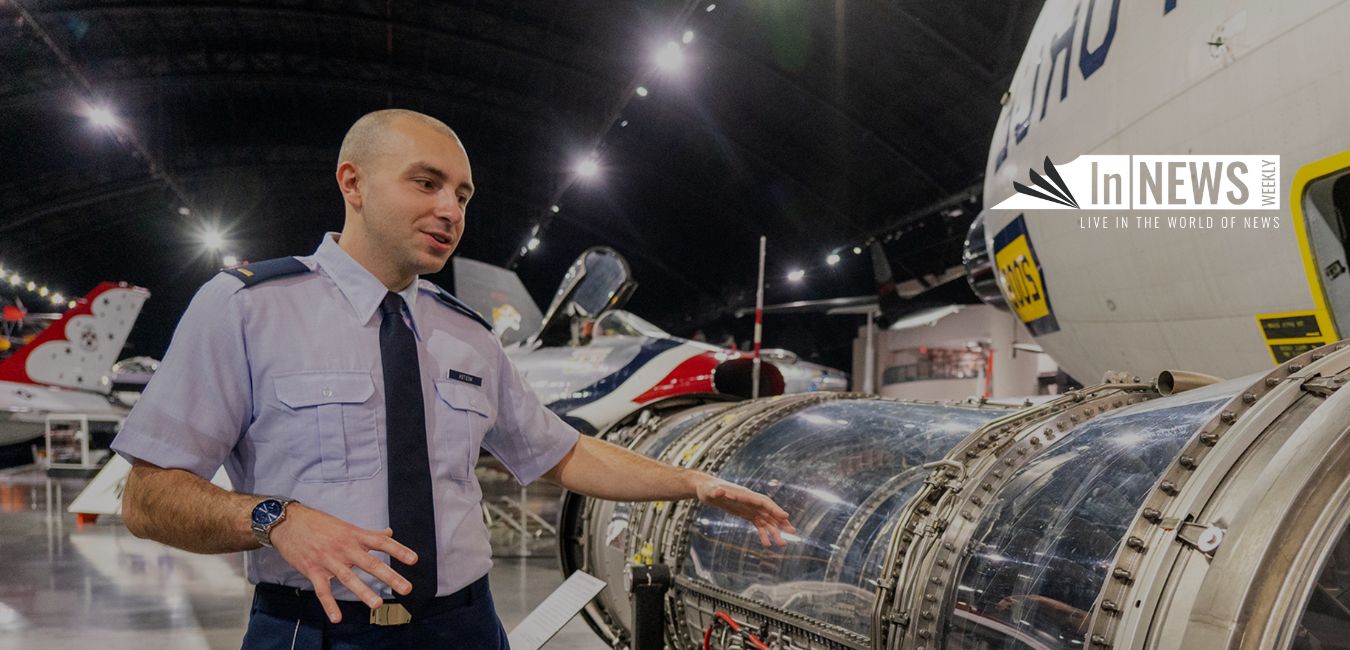
Is Aerospace Engineer a good career? Well Aerospace Engineering is a field that combines science, technology, and innovation to create aircraft and spacecraft. It’s a career for those who dream of flying high and exploring space.
Aerospace engineers design, test, and oversee the production of everything from jets to satellites. They work on cutting-edge technology and solve complex problems to make travel faster, safer, and more efficient.
As an aerospace engineer, you can work on exciting projects. You’ll earn a competitive salary and significantly contribute to travel and exploration.
In this guide, we will explore what it means to be an aerospace engineer. We’ll cover the education required, jobs, roles, and salaries.
Education And Training
Degree Requirements
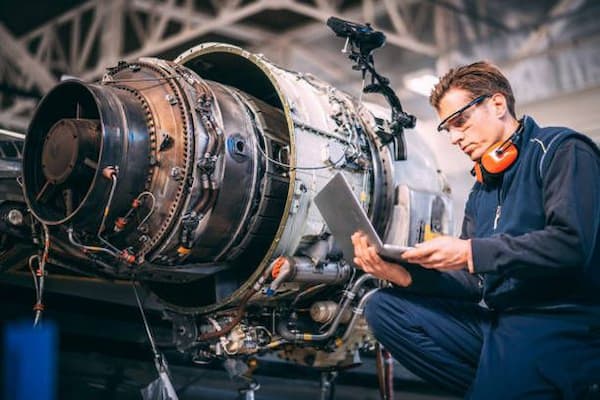
To start a career in aerospace engineering, you need a bachelor’s degree. This degree is in aerospace engineering or sometimes in a similar field. It takes about 4 years to finish this degree.
Students learn about designing aircraft, spacecraft, satellites, and missiles during this time. They study subjects like physics, mathematics, and computer science. This degree is the first step to becoming an aerospace engineer.
Specializations Available
In aerospace engineering, students can choose to specialize in different areas. Some common specializations are aeronautics and astronautics. Aeronautics focuses on airplanes and flight technology within Earth’s atmosphere. Astronautics is about spacecraft and technology for space exploration.
Other specializations include propulsion systems, which is about making engines. Systems design involves planning how different parts of aircraft and spacecraft work together.
These specializations allow students to focus on what they are most interested in.
Internship Opportunities
Internships are a key part of aerospace engineering education. They offer practical experience in the industry. Many colleges have connections with aerospace companies where students can intern.
These internships can be during the summer or part of the school year. They are short, like a few months, or longer, sometimes up to a year. During an internship, students work on real projects.
This helps them learn practical skills and understand the work environment. Often, internships lead to job offers after graduation. They are a great way for students to start their careers in aerospace engineering.
Career Opportunities
Aerospace Industry Roles
In the aerospace industry, engineers have many roles. They design aircraft, spacecraft, satellites, and missiles. Some work on testing new designs.
Others focus on making sure products meet quality standards. There are also jobs in managing projects and overseeing manufacturing processes.
Government Positions
Government agencies like NASA and the Department of Defense hire aerospace engineers. Here, engineers work on national defense projects or space exploration missions. They design military aircraft or work on satellites.
Private Sector Jobs
Many aerospace engineers work in private companies. These companies make commercial airplanes, private jets, or space exploration equipment. Engineers in these jobs create new designs and improve existing technologies.
International Opportunities
Aerospace engineering offers chances to work abroad. Many big aerospace companies have offices in different countries. Engineers can work on international projects or even move to another country for their jobs. This allows for experiencing different cultures and working environments.
Top 13 Types Of Jobs In Aerospace Engineering (With Salaries)
Aircraft Design Engineer
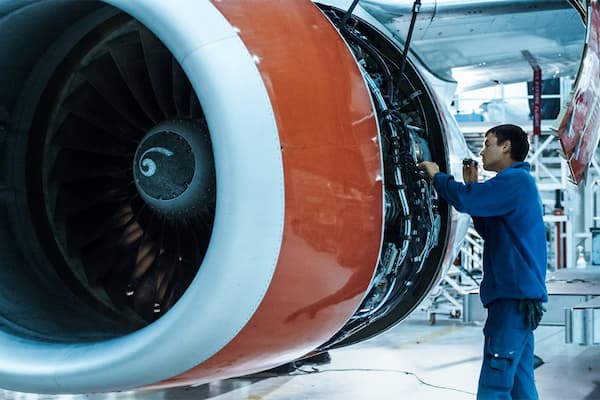
These engineers focus on creating the look and function of airplanes. They think about size, shape, and the plane’s use. They work with teams to come up with designs that are safe and efficient. They need strong skills in physics and math.
Usually, they earn about $80,000 a year.
Aircraft Systems Engineer
Aircraft system engineers work on the complex systems that make airplanes operate. This includes everything from engines and fuel systems to navigation and safety features. They need to understand how these systems work together.
On average, they make around $85,000 a year.
Aerospace Stress Engineer
Stress engineers make sure that the materials and structure of an aircraft can handle the forces they will face. They test and analyze parts to ensure they don’t break or fail. Their work is crucial for safety.
Typically, they earn nearly $90,000 a year.
Propulsion Engineer
These engineers specialize in creating and improving engines and other propulsion systems. They work on making these systems more powerful and fuel-efficient. Whether for airplanes or spacecraft, their work is about motion and energy.
They usually earn about $95,000 a year.
Avionics Engineer
Avionics engineers focus on the electronic systems used in aircraft, such as communication, navigation, and control systems. They work to develop and improve these critical systems. Their role is vital for modern flight.
They typically make around $100,000 a year.
Flight Test Engineer
These engineers are involved in testing aircraft by actually flying them. They collect data, observe how the aircraft performs, and make suggestions for improvements. Their hands-on work is key to ensuring that aircraft are safe and efficient.
They earn about $105,000 a year.
Aerodynamics Engineer
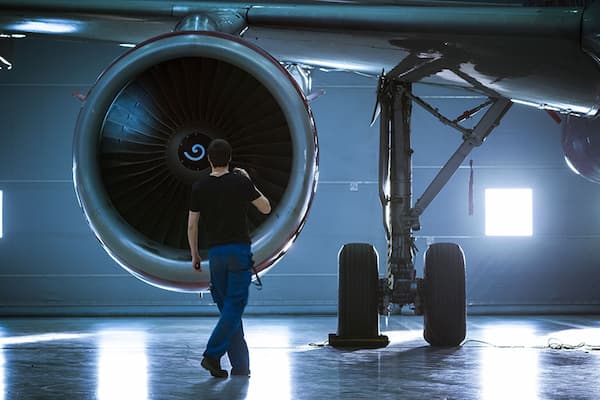
Focusing on how air moves around objects, aerodynamics engineers work to make aircraft as efficient as possible. They study wind tunnels and computer models to design surfaces that reduce drag and improve performance.
They typically make around $110,000 a year.
Structural Engineer
In the aerospace field, structural engineers design the framework of aircraft and spacecraft. They ensure that these structures can withstand the stresses of flight and space travel. Their work combines creativity with a deep understanding of materials and physics.
They usually earn about $115,000 a year.
Systems Integration Engineer
These engineers ensure that all parts of an aircraft work together smoothly. They troubleshoot problems and find solutions to complex system issues. Their role is about seeing the big picture and keeping everything running.
They typically earn around $120,000 a year.
Aerospace Manufacturing Engineer
These engineers plan and oversee the production of aircraft and spacecraft components. They work to improve manufacturing processes to be more efficient and cost-effective. Their goal is to produce high-quality parts safely and quickly.
They usually make about $125,000 a year.
Materials Engineer
Specializing in the materials used in aerospace, these engineers select and test materials for aircraft and spacecraft. They look for light, strong materials and can handle extreme temperatures. Their work is fundamental in determining the durability and safety of flying machines.
They earn about $130,000 a year.
Spacecraft Engineer
These engineers design and build vehicles and equipment for space exploration. They work on satellites, space stations, and probes. Their job is to tackle the unique challenges of space travel.
They usually earn around $135,000 a year.
Rocket Scientist
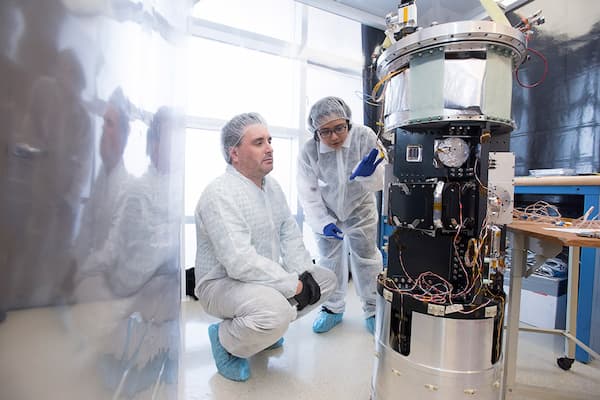
Rocket scientists design and develop rockets for space exploration and satellite deployment. They focus on propulsion systems, aerodynamics, and the materials needed for space travel. Their work is complex and highly specialized.
They often earn $140,000 or more a year.
Financial Prospects
Competitive Salaries
Aerospace engineers usually earn good money. Starting salaries are often around $60,000 to $70,000 a year. With more experience, this can go up a lot. In some jobs, engineers make more than $100,000 a year.
They are paid well because their work is important and requires special skills.
Long-Term Earnings
Over time, aerospace engineers can earn more. As they gain experience and take on bigger projects, their pay increases. Some senior engineers and those in management can earn $150,000 yearly. Their long-term earnings grow as they build their careers.
Benefits And Perks
Many aerospace engineers receive extra benefits. These can include health insurance, retirement plans, and paid time off. Some companies also offer bonuses or shares in the company. These benefits add to their total pay and make the job more rewarding.
Technological Advancements
Impact Of Innovation
New ideas change aerospace a lot. They make planes and spacecraft safer, faster, and more efficient. For example, better materials make things lighter and stronger. Computers help design and test new models before they are built. These changes help everyone who flies.
Evolving Industry
The aerospace industry is always changing. New engines use less fuel and make less noise. Satellites and drones are becoming more common and useful. As the world changes, aerospace engineers find new ways to solve problems.
They keep learning and using new technology.
Future Trends
In the future, we expect more big changes. Planes will be powered by electricity or hydrogen. We will see more flying cars or taxis. Space travel will become more common. Engineers are working on these ideas right now.
They are always looking ahead to make the future better.
Skills And Qualities

Technical Skills
Aerospace engineers need to know a lot about math and science. They use these skills to design and build things that fly. They also need to understand computers. Computer programs help them create designs and test ideas.
Knowing how to use these tools is important.
Problem-Solving Abilities
Engineers often face problems they need to solve. This includes fixing a design or making something work better. They need to think carefully and find good solutions. Being able to solve problems is a big part of their job.
Attention To Detail
Paying attention to small things is very important for aerospace engineers. Even a small mistake can cause big problems in an airplane or spacecraft. They need to check their work carefully.
Ensuring everything is correct and safe is a key part of their job.
Challenges And Demands
Project Pressures
Aerospace engineers often have tight deadlines. They need to finish projects on time. Sometimes they work extra hours to meet these deadlines. They have to work fast but also make sure everything is done right.
Continuous Learning
The technology in aerospace changes often. Engineers need to keep learning new things. They read, take classes, and go to workshops. This helps them stay up-to-date with the latest tools and ideas.
Safety And Regulations
Making sure planes and spacecraft are safe is very important. Engineers follow many rules to do this. They check their work carefully. They also test everything many times. This ensures that everything they build is as safe as possible.
Professional Growth
Advancement Opportunities
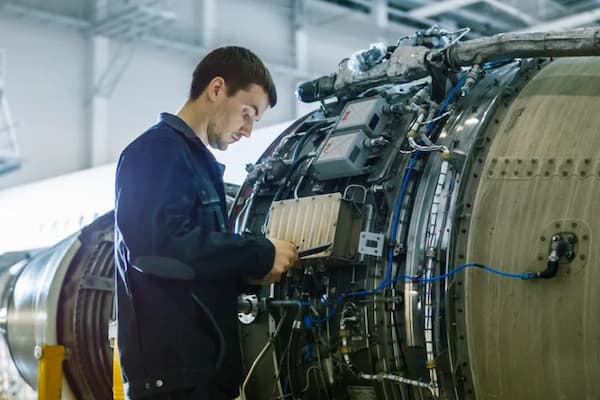
In aerospace engineering, you can move up in your career. With experience, you can become a senior engineer or a project manager. Some engineers even become directors of engineering. These jobs have more responsibility and usually pay more, which is a good career path for engineers.
Leadership Roles
Experienced engineers often lead teams. They guide younger engineers and make big decisions. In these roles, they use their experience to help others and make sure projects succeed. Being a leader also means they can shape the future of their company.
Networking Benefits
Meeting other professionals is a big part of this job. Engineers go to conferences and join professional groups. They meet people who can help them learn and find new opportunities.
Networking can lead to new jobs or chances to work on exciting projects.
Alternative Paths
Mechanical Engineering
Consider mechanical engineering if you like making things but are unsure about aerospace. It’s about designing and making all kinds of machines. Mechanical engineers work on cars, factory machines, and even medical devices.
They use many of the same skills as aerospace engineers.
Robotics Engineering
Robotics is about making machines that can move and do tasks. These engineers make robots for factories, homes, and even space. Robotics is a good choice if you like the idea of creating smart machines. It’s a field that’s growing fast.
Astronautics
Astronautics is specifically about space. It’s a part of aerospace engineering focused on spacecraft and satellites. This is the path for you when you’re interested in space travel and exploration. It’s about getting to and studying other planets and stars.
FAQs

Are Aerospace Engineers In High Demand?
Yes, aerospace engineers are in high demand. Companies and governments need them to make planes, rockets, and satellites. The world always wants newer, better technology, so aerospace engineers have lots of work.
What Are The Disadvantages Of Being An Aerospace Engineer?
Being an aerospace engineer is hard. You often have tight deadlines and big projects. This can mean long hours and stress. The work is also very detailed and complex, which is challenging.
Which Aerospace Engineer Has The Highest Salary?
Aerospace engineers who become managers or work in special areas like propulsion or systems engineering often earn the highest salaries. Senior positions or jobs in big companies pay over $150,000 a year.
Does NASA Hire Aerospace Engineers?
Yes, NASA hires many aerospace engineers. They need them to design, build, and test spacecraft and equipment for space missions. Working at NASA is a dream for many aerospace engineers because they work on projects exploring space.
Is Aerospace Engineer A Good Career: Conclusion
A career in aerospace engineering is exciting and rewarding. It offers good pay and the chance to work on interesting projects. Engineers design planes and spacecraft, solve problems, and constantly learn new things.
They also help make sure that everything they create is safe. Aerospace engineering is a great choice for those who like science and math and want to be part of the future of travel and exploration.
It’s a job where you can grow, lead, and change the world.
