
How Long Does It Take To Become A Plumber? Training Time, Requirements & Career Path
It usually takes about 4 to 6 years to become a plumber. This includes finishing high school, training as an apprentice, and passing a license test before working on your own.
Step 1: Finishing High School Or Equivalent
The first step is completing high school or getting a GED. A plumber needs basic math, reading, and problem-solving skills. Math is essential for measuring pipes, figuring out angles, and reading blueprints. Reading and writing help with understanding safety rules and instructions. This stage usually lasts until age 18 if you are in traditional schooling.
Step 2: Attending A Trade School (Optional)
Some people go to a trade or vocational school before becoming an apprentice. Trade school can last 6 months to 2 years, depending on the program. In school, you learn plumbing basics like pipe systems, safety codes, and how to use tools. Trade school is not always required, but it can make it easier to get hired as an apprentice. It also helps you feel more confident when you start working.
Step 3: Getting An Apprenticeship
Most plumbers start as apprentices. An apprenticeship is when you work under a licensed plumber while also taking classes. You earn money while learning, which makes this path very popular. Apprenticeships usually last 4 to 5 years. During this time, you will learn things like:
- Installing and repairing pipes
- Working with water heaters and gas lines
- Reading blueprints
- Following safety rules and building codes
An apprentice works about 2,000 hours each year on the job and also takes about 200 hours of classes. This mix of hands-on training and classroom learning is what makes plumbing skills strong.
Step 4: Taking The Licensing Exam
After finishing an apprenticeship, most states require plumbers to pass a licensing test. This test checks your knowledge of plumbing codes, safety, and practical skills. Preparing for the exam can take a few months. Once you pass, you become a journeyman plumber. At this stage, you can work on your own, take on bigger projects, and earn more money.
Step 5: Becoming A Master Plumber (Optional)
Some plumbers go one step further and become master plumbers. This level requires a few more years of work experience (often 2–5 years after becoming a journeyman) plus another exam. Master plumbers can run their businesses, supervise other plumbers, and work on large projects. This stage is not required, but it offers more freedom and higher pay.
Other Factors That Affect The Timeline
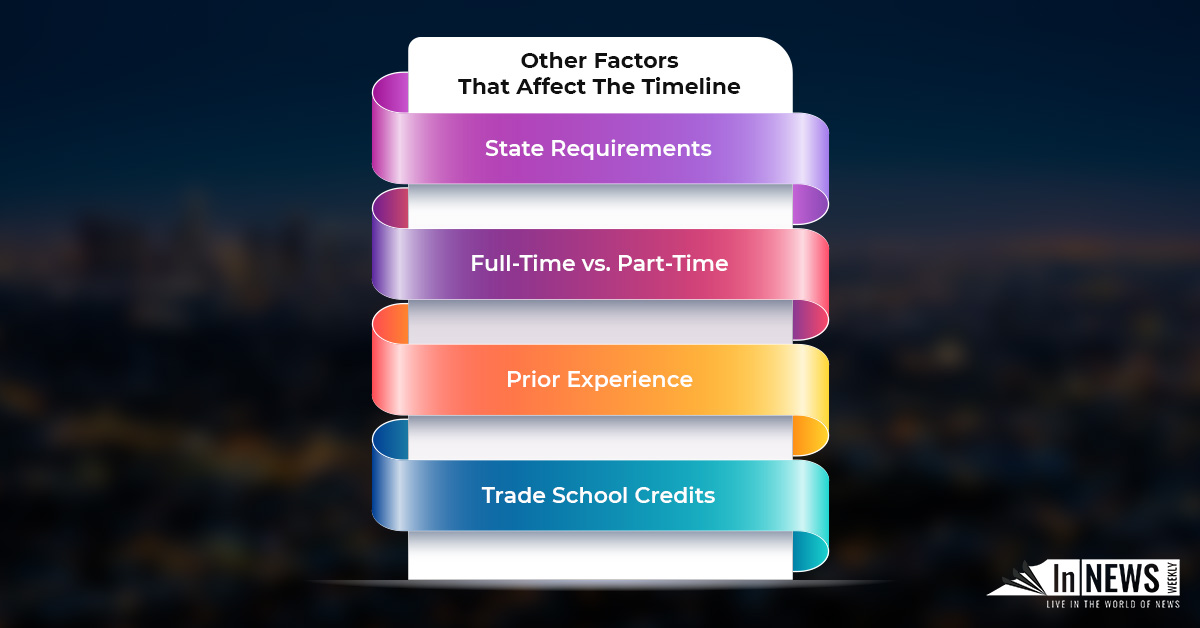
- State Requirements: Different states have different rules. Some can require more work hours or a more extended apprenticeship.
- Full-Time vs. Part-Time: When you train full-time, it takes less time. When you do it part-time, it will take longer.
- Prior Experience: When you have construction or technical experience, you can finish faster.
- Trade School Credits: Some schools let you count classroom hours toward your apprenticeship, which can shorten the process.
How Long Does It Usually Take
- High school: Until age 18
- Trade school: 0–2 years (optional)
- Apprenticeship: 4–5 years
- Total time: About 4 to 6 years after high school
This means that when you finish high school at 18, you could be a licensed plumber by around age 22 to 24. When you decide to become a master plumber, it can take a few extra years.
Frequently Asked Questions
1. Do Plumbers Need A License?
Yes, most states require plumbers to have a license. You must finish your apprenticeship and pass a test to demonstrate your understanding of plumbing rules and safety before working alone.
2. How Much Money Do Plumbers Make?
Plumbers usually earn good pay. Beginners can make less, but licensed plumbers can earn $50,000 to $70,000 a year or more, depending on experience, location, and type of plumbing work.
3. Is Plumbing A Safe Job?
Yes, plumbing can be safe if you follow safety rules. Plumbers wear gloves, goggles, and sometimes masks. They also learn how to handle tools, hot water, and gas lines carefully.
4. Can Women Become Plumbers Too?
Yes, women can be plumbers. Plumbing is for anyone who enjoys fixing things and working with their hands. More women are joining the trade and finding success in this career.
Conclusion: How Long Does It Take To Become A Plumber
Becoming a plumber takes time, effort, and training. The process usually lasts four to six years, including apprenticeship and licensing. While it can sound long, plumbing is a stable career with good pay and high demand. Plumbers play an essential role in keeping our homes and cities safe and comfortable. When you are willing to work hard and learn, plumbing can be a gratifying career.
